I wonder if our universe is part of an even bigger one, and all around us are just the atoms and cells of another larger dimension… At times it seems that trees are like hairs on the skin of the earth, with deep roots reaching towards my heart, and my eyes, at last, are blurred by the lost longed and branched desires…
Have you ever wondered if the water of a tree is pulled from the earth so that the clouds would friend and tender its leaves? And have you noticed how the trees are glowing when softly touched, their leaves dissolving?… Spending a lifetime looking for those lost and feeble touches.
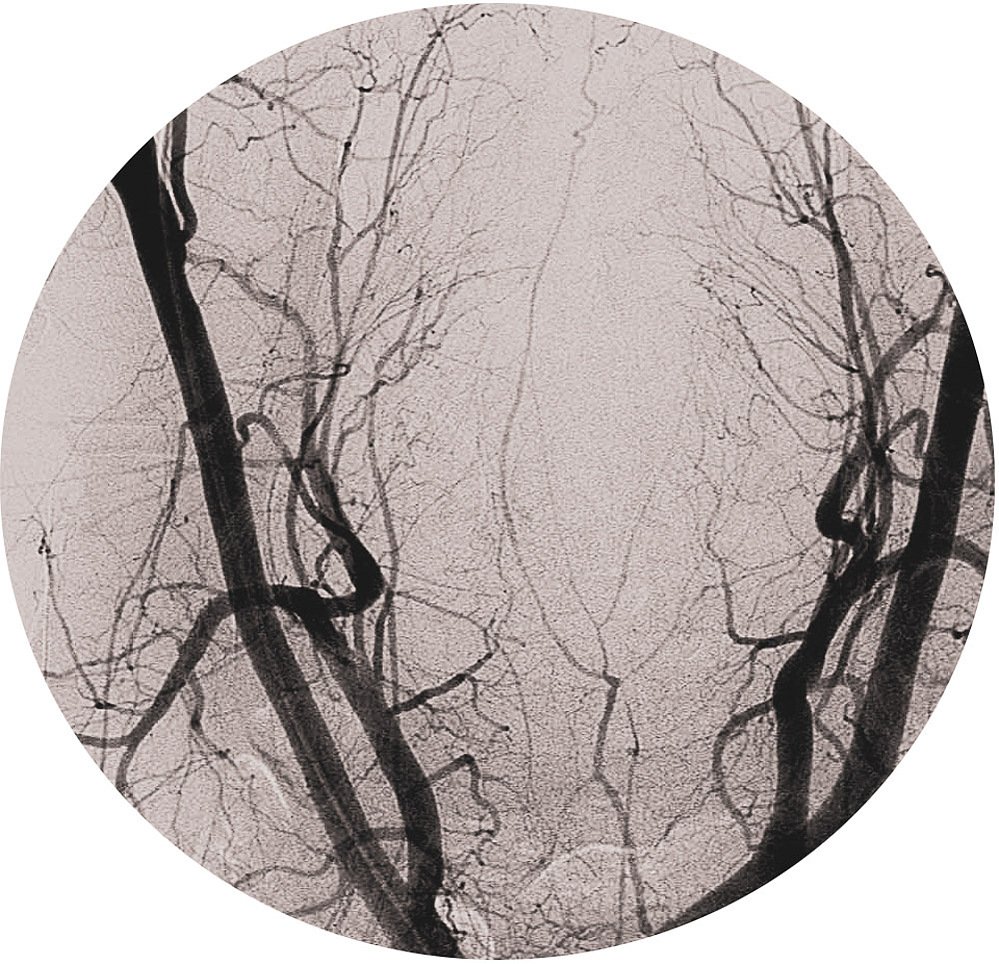
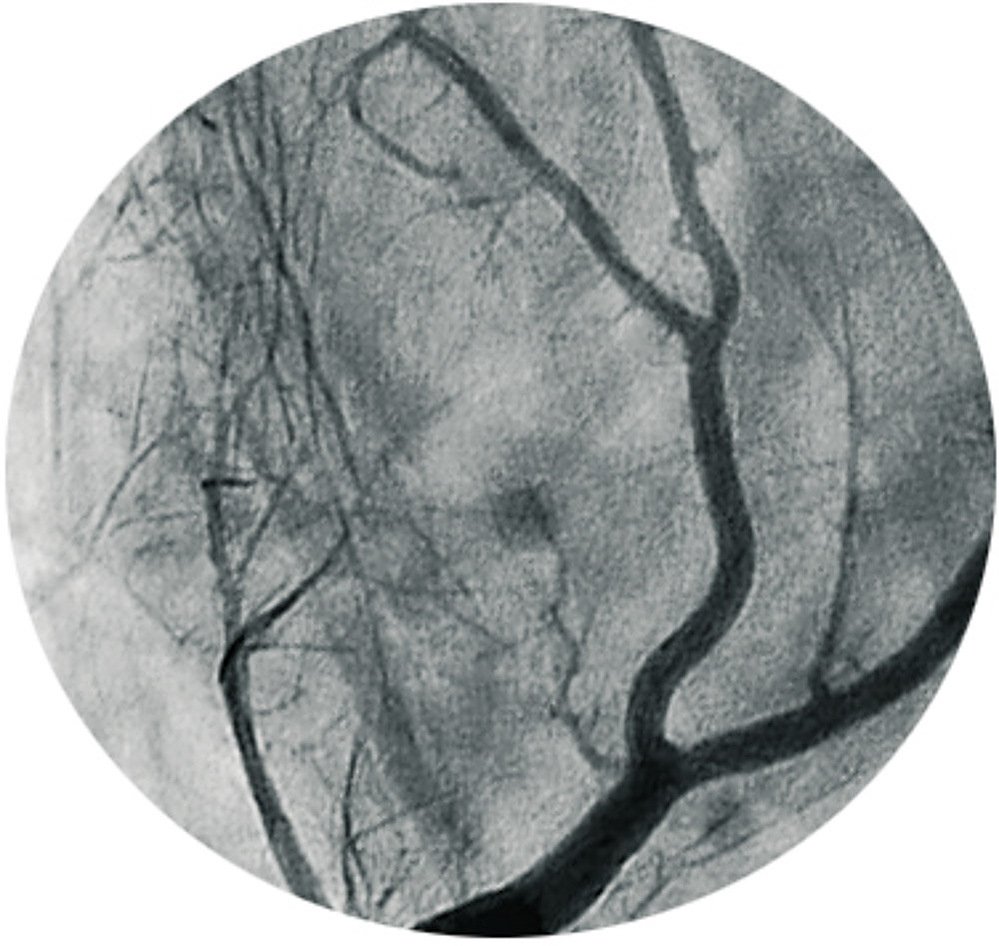
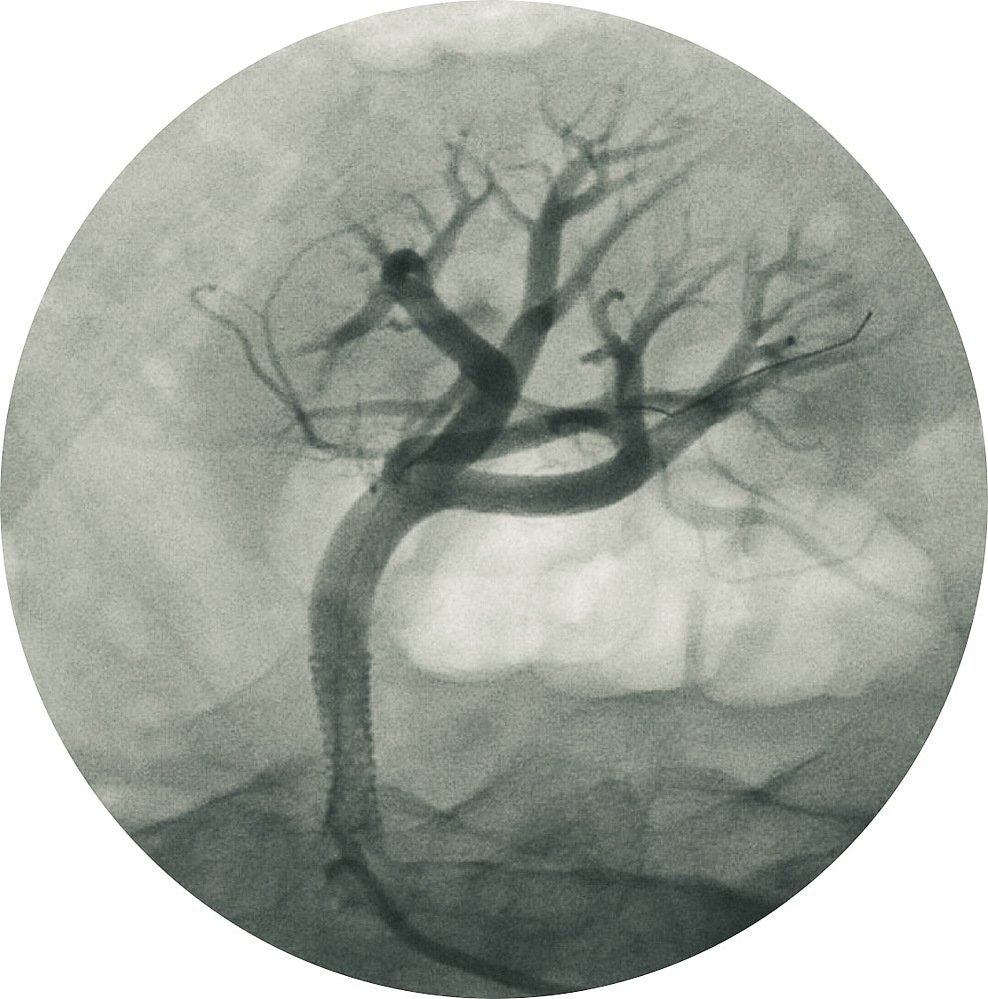
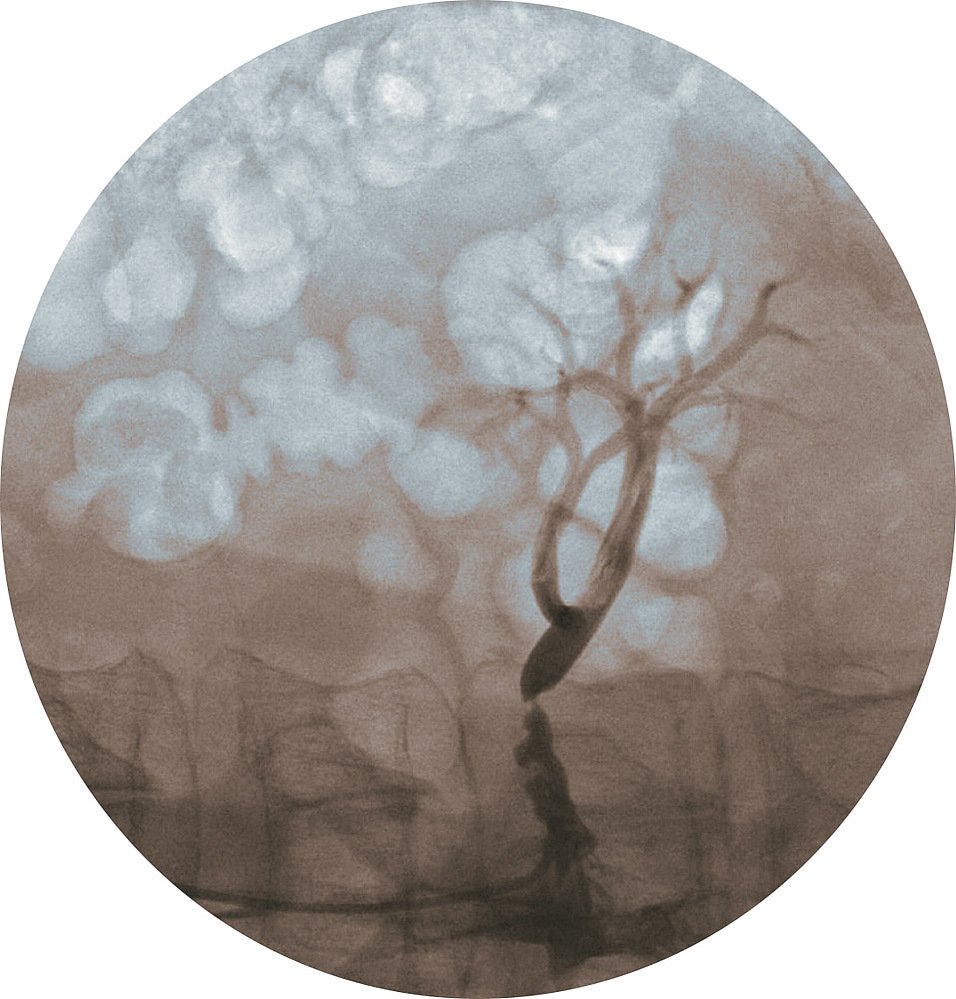
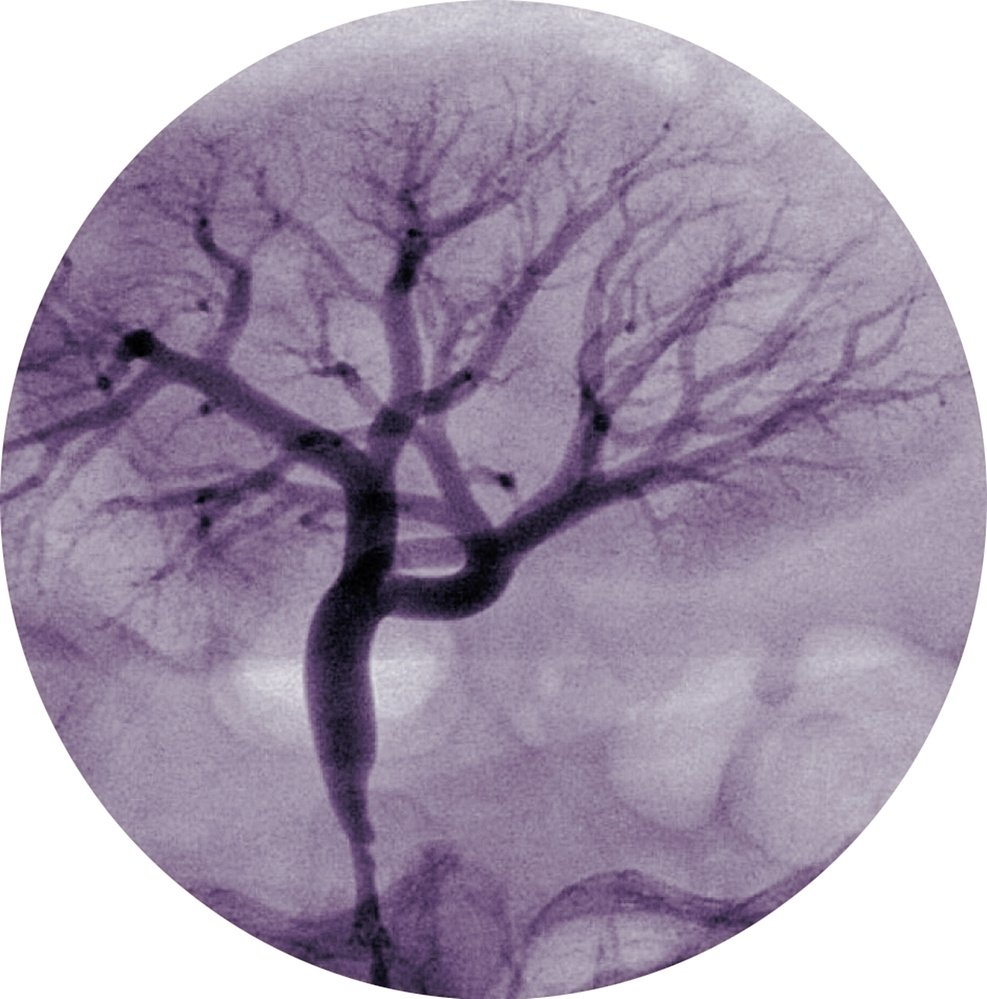
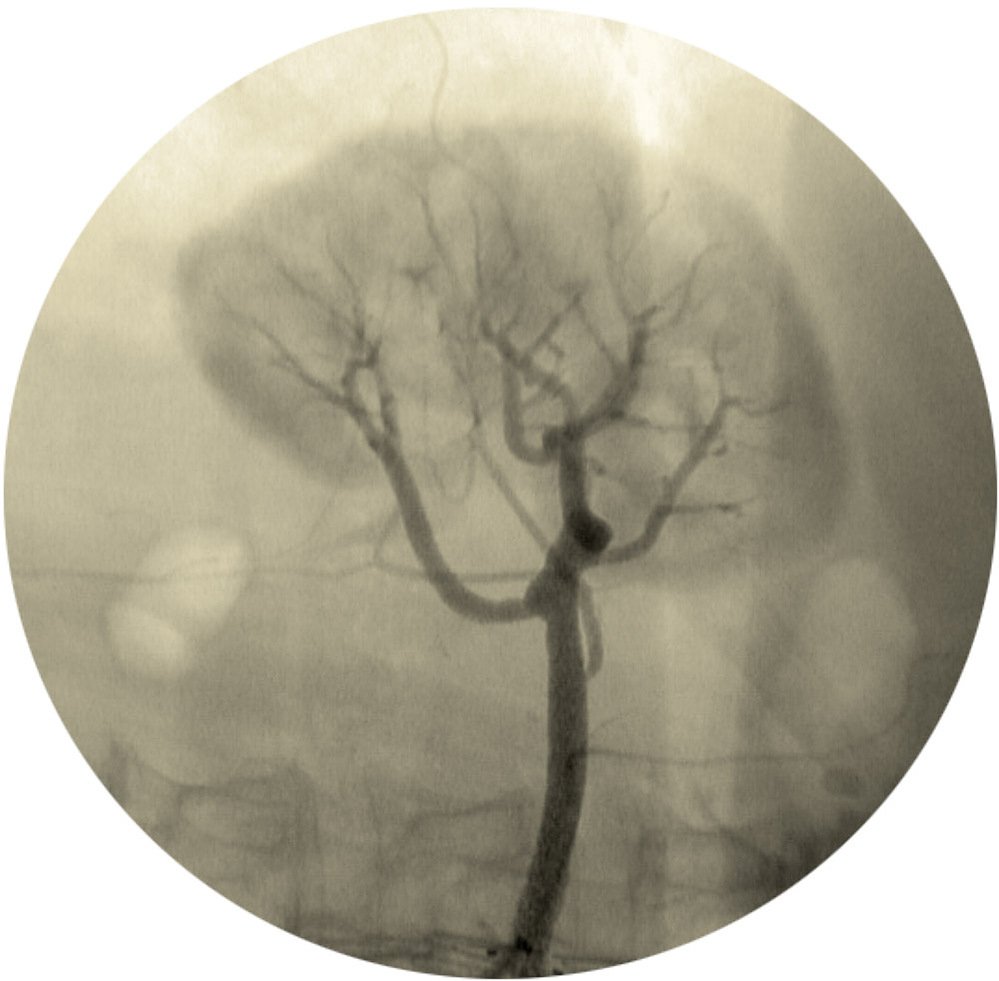
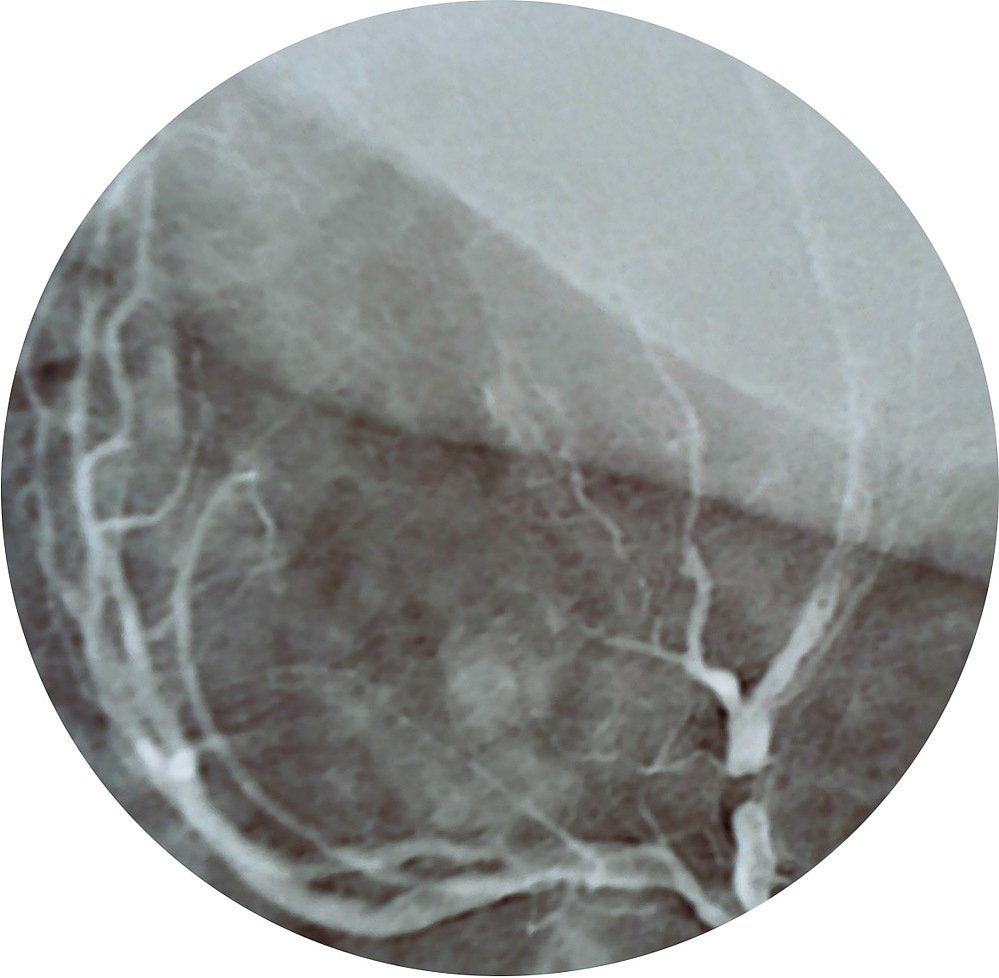
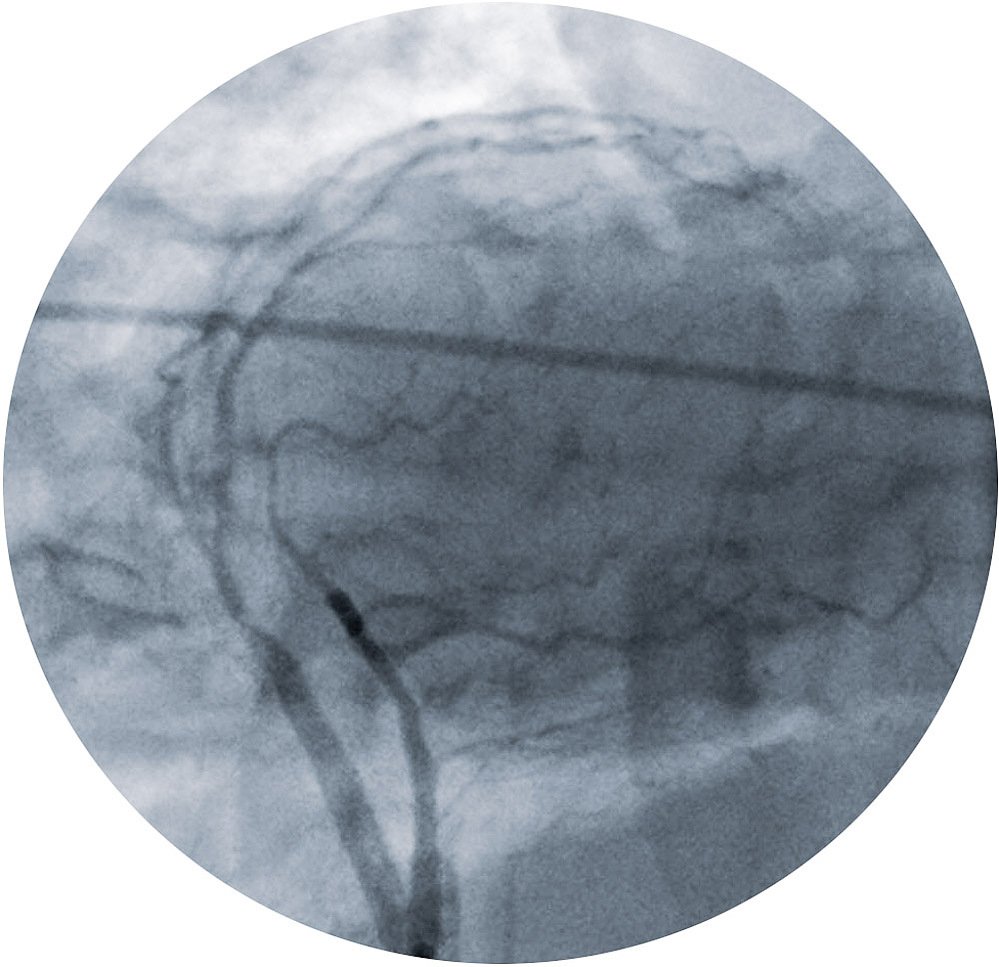
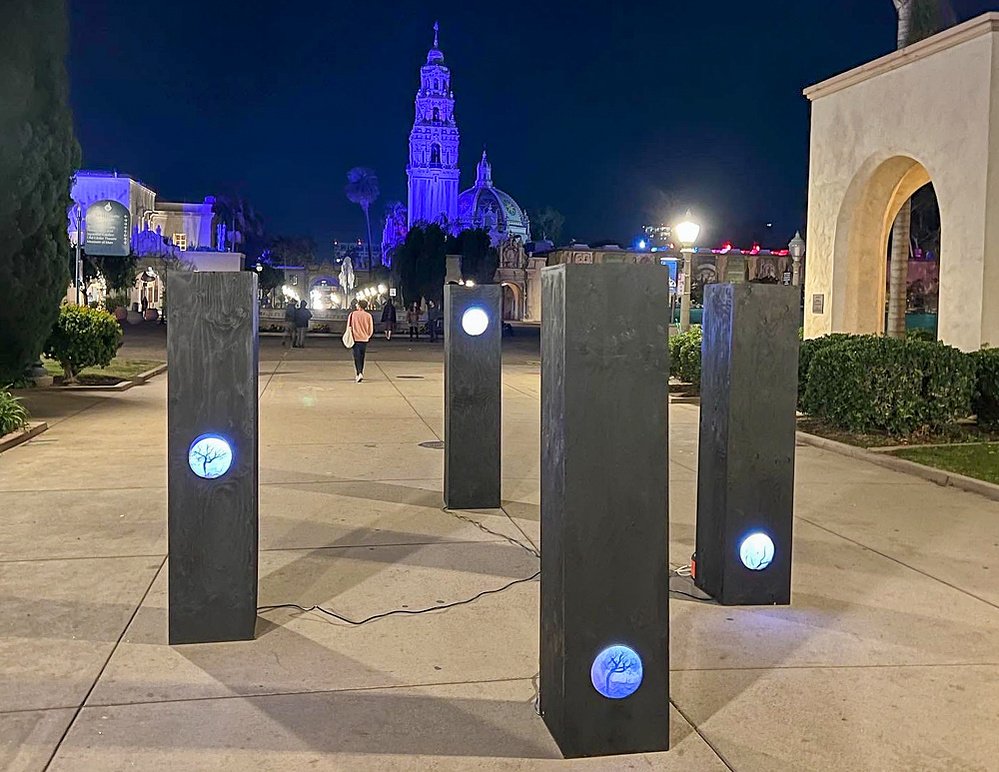
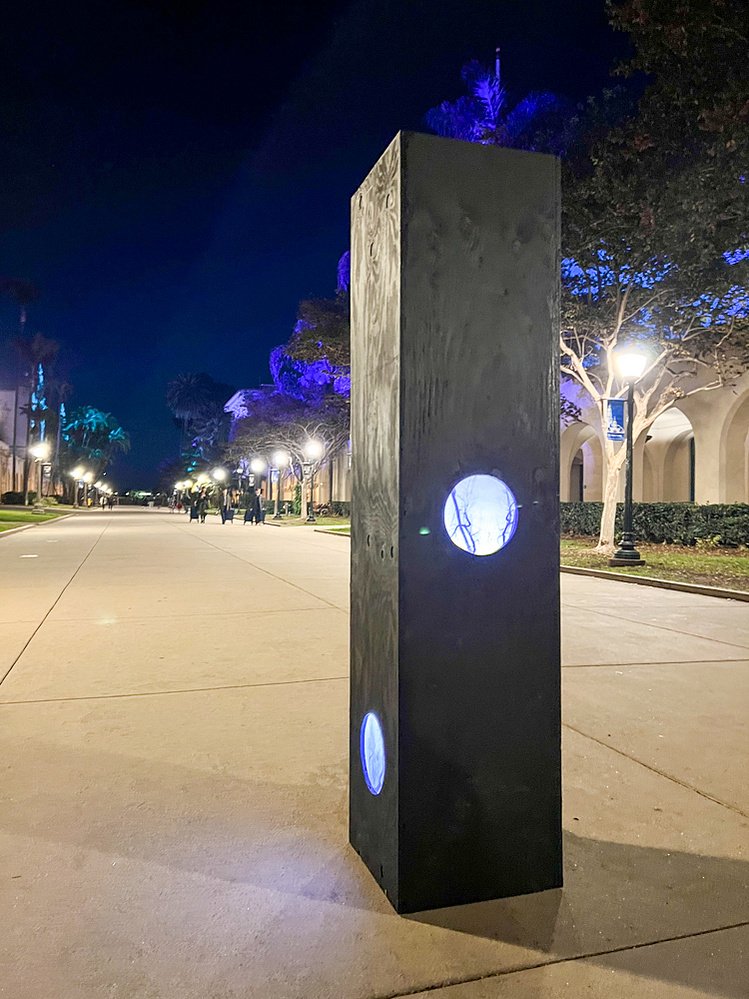
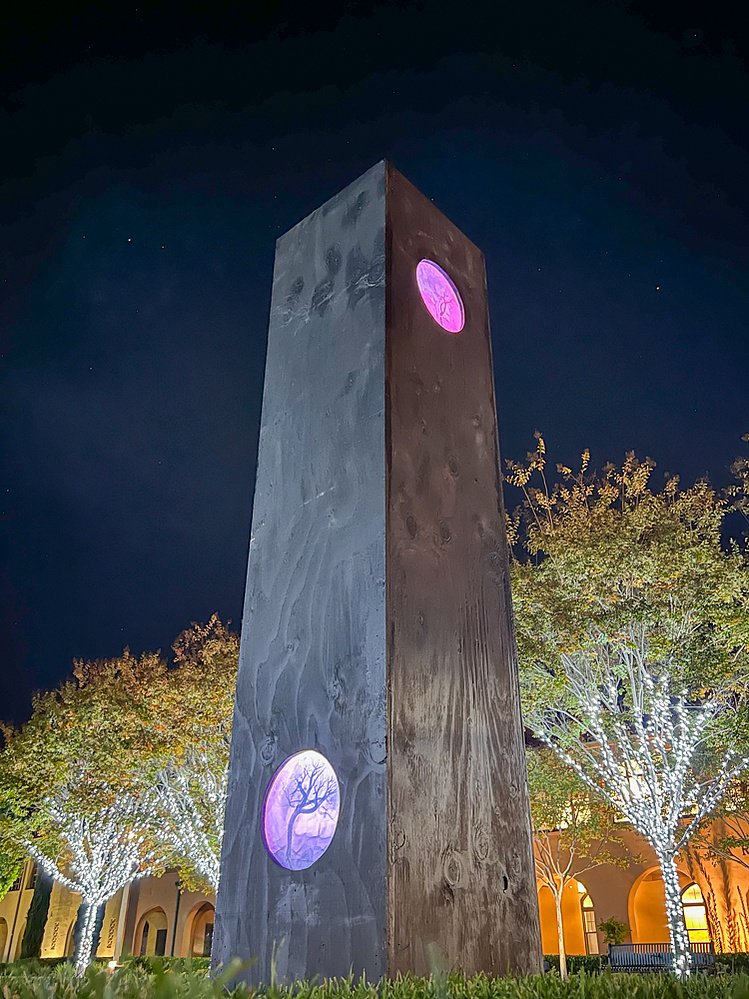
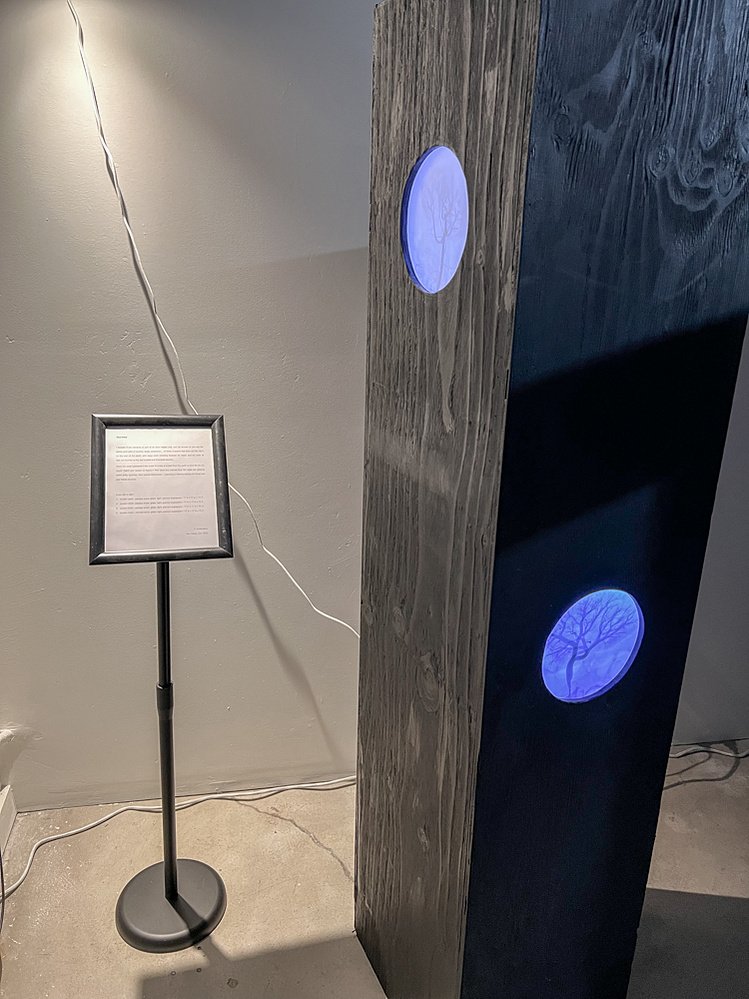
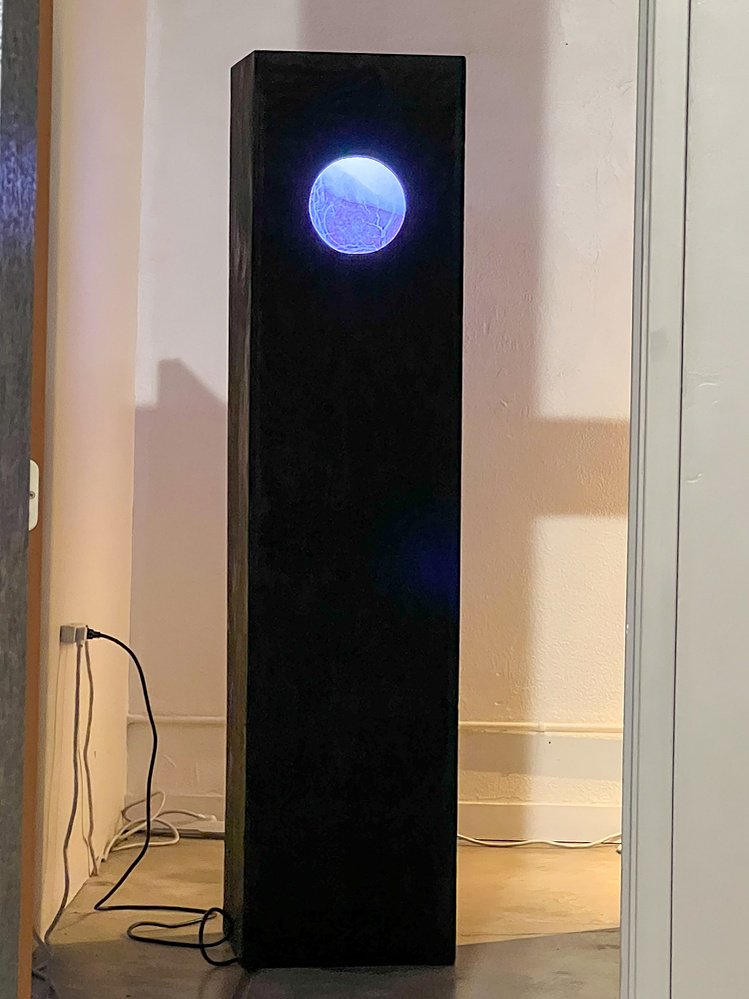
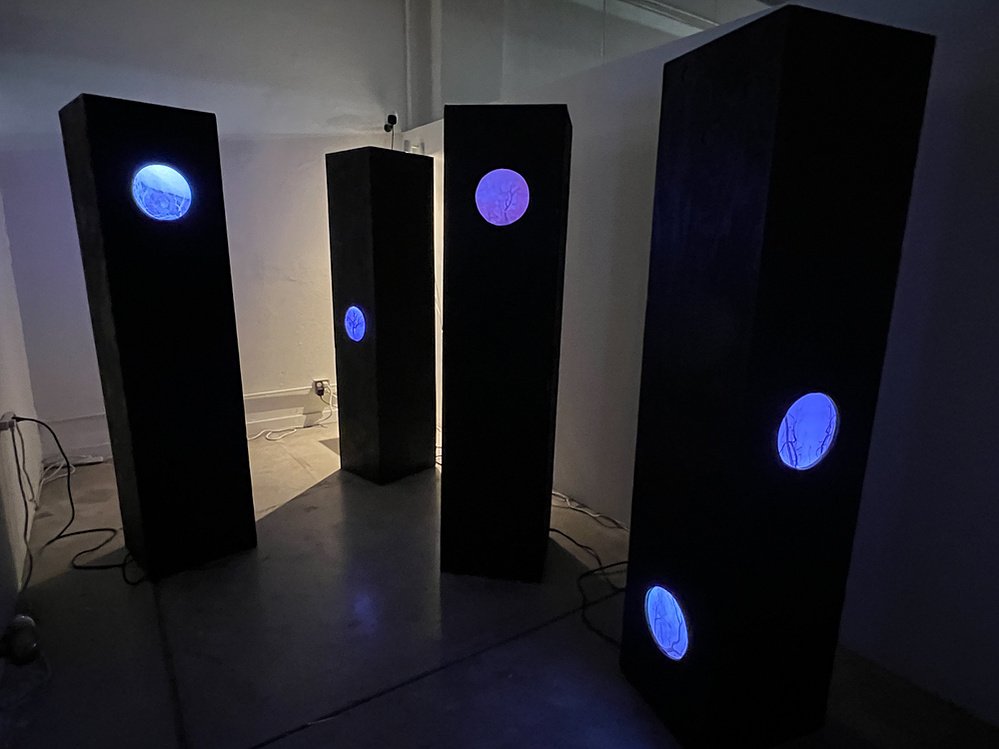
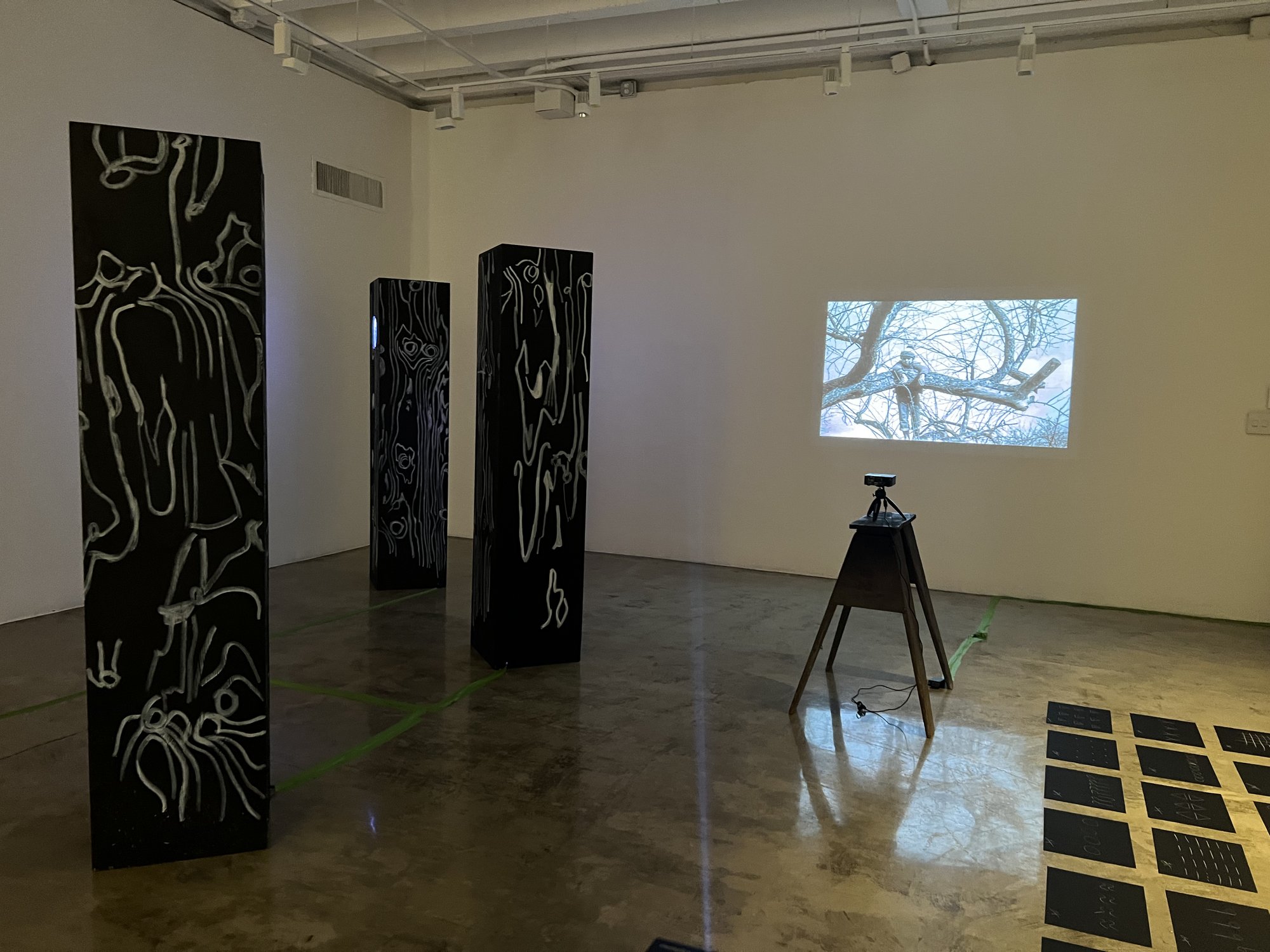
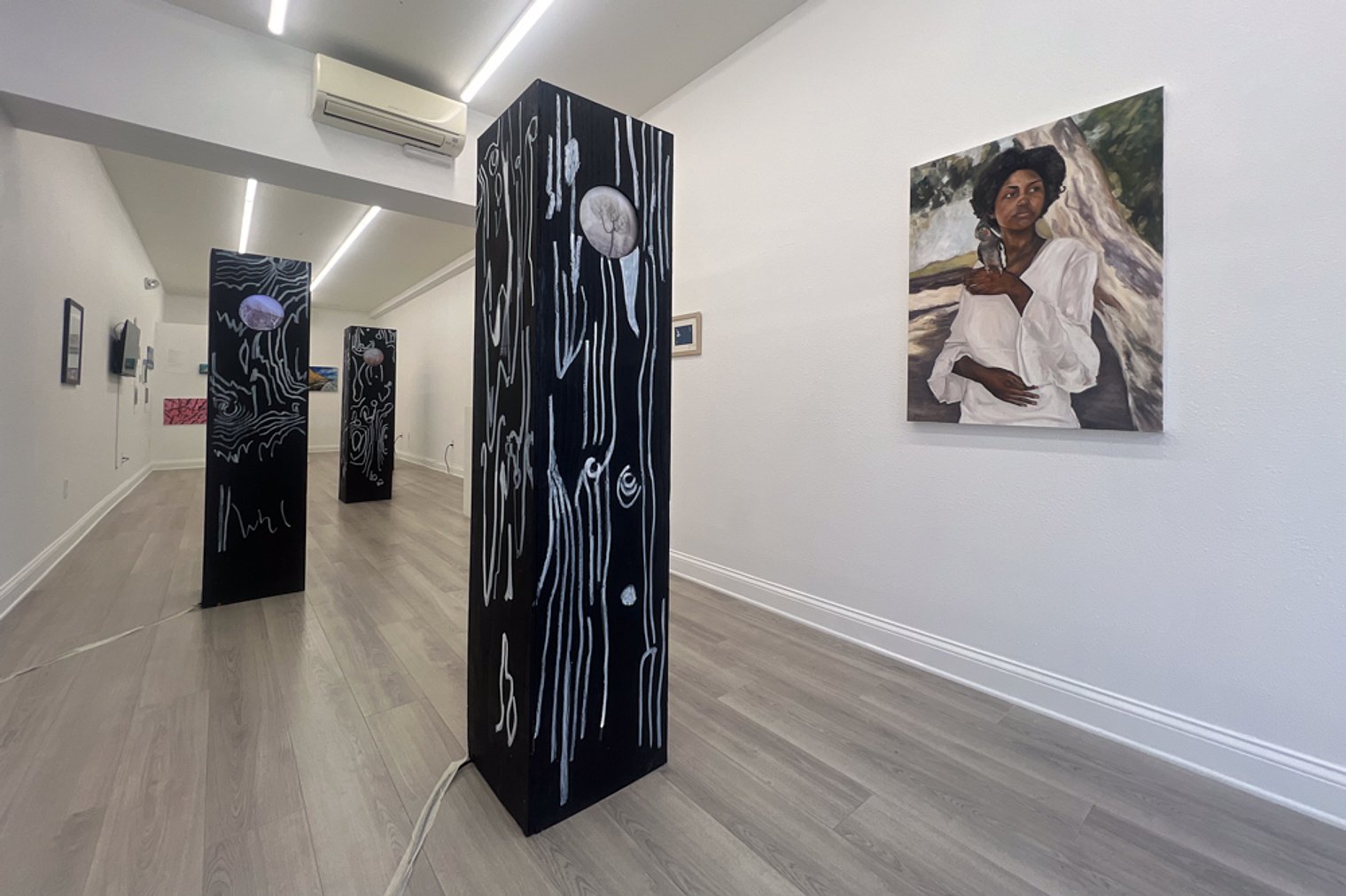
Each of the four columns stands at body scale — seventeen by seventeen inches, seventy-two inches tall. Wood, glass, light. Set into each column are two illuminated roundels, glowing from within. Inside each roundel is a painted angiogram — the diagnostic radiographic image that makes visible the body’s vascular system, the branching arterial and venous trees that carry blood through tissue.
The angiograms have been transformed through painting. The clinical black-and-white of the original films has been replaced with muted contemplative tones — sepias, roses, purples, blues. The branching vascular structures remain. What changes is the register: the image moves out of the diagnostic moment, where the physician examines the body for what has gone wrong, into a contemplative one, where the viewer holds the same image as evidence of what brokenness reveals about the body’s distribution system.
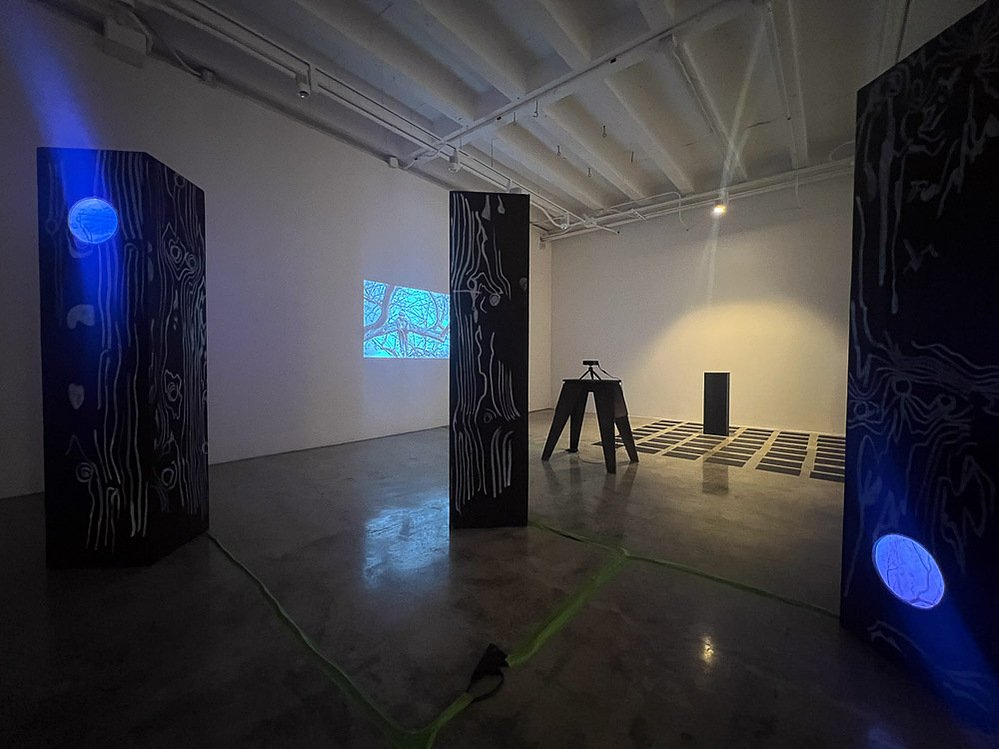
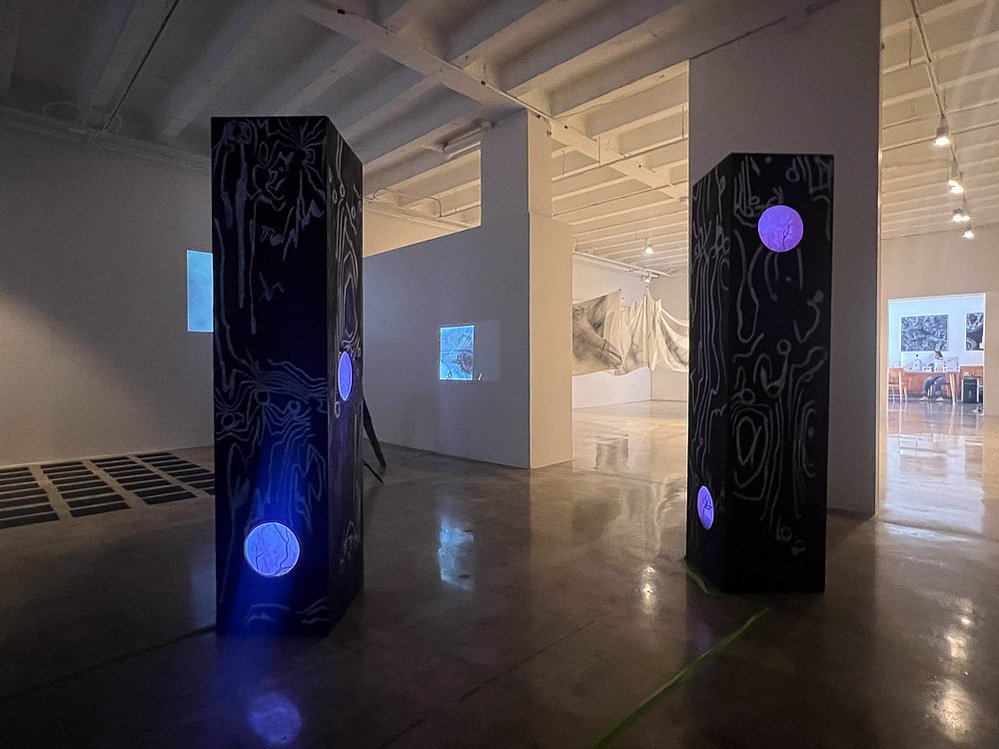
The columns themselves have evolved. The first installations presented the columns as black monolithic supports for the illuminated roundels. In later iterations, the columns were painted with oil white, following the grain of the wood — the veins of the trees from which the columns had been cut, made visible on the surface through the painted intervention. The same attention to wood as inherited substance carrying the trace of its tree origin appears in the birch base of assemble. The columns are themselves trees, milled and shaped and now showing again the branching structures that had organized their growth before they became column.
The eight angiograms are organized in four pairs across the four columns: broken body, broken mind, broken spirit, broken heart. Each register of human wholeness is shown twice. Standing among the columns, the viewer moves through a forest of vertical bodies — four pillars, each holding the trees of one form of integrity. Two kinds of trees are visible simultaneously: the vascular trees inside the body, set into the roundels, and the original trees of the columns themselves, made visible through the painted vein patterns on the surfaces.
The branching image is not only the body’s. The same shape grows in the world outside and in the wood these columns were milled from — and one loss runs through all three: the broken vessel in the chest, the broken oak in a damaged ecosystem, the felled tree standing now as a pillar.