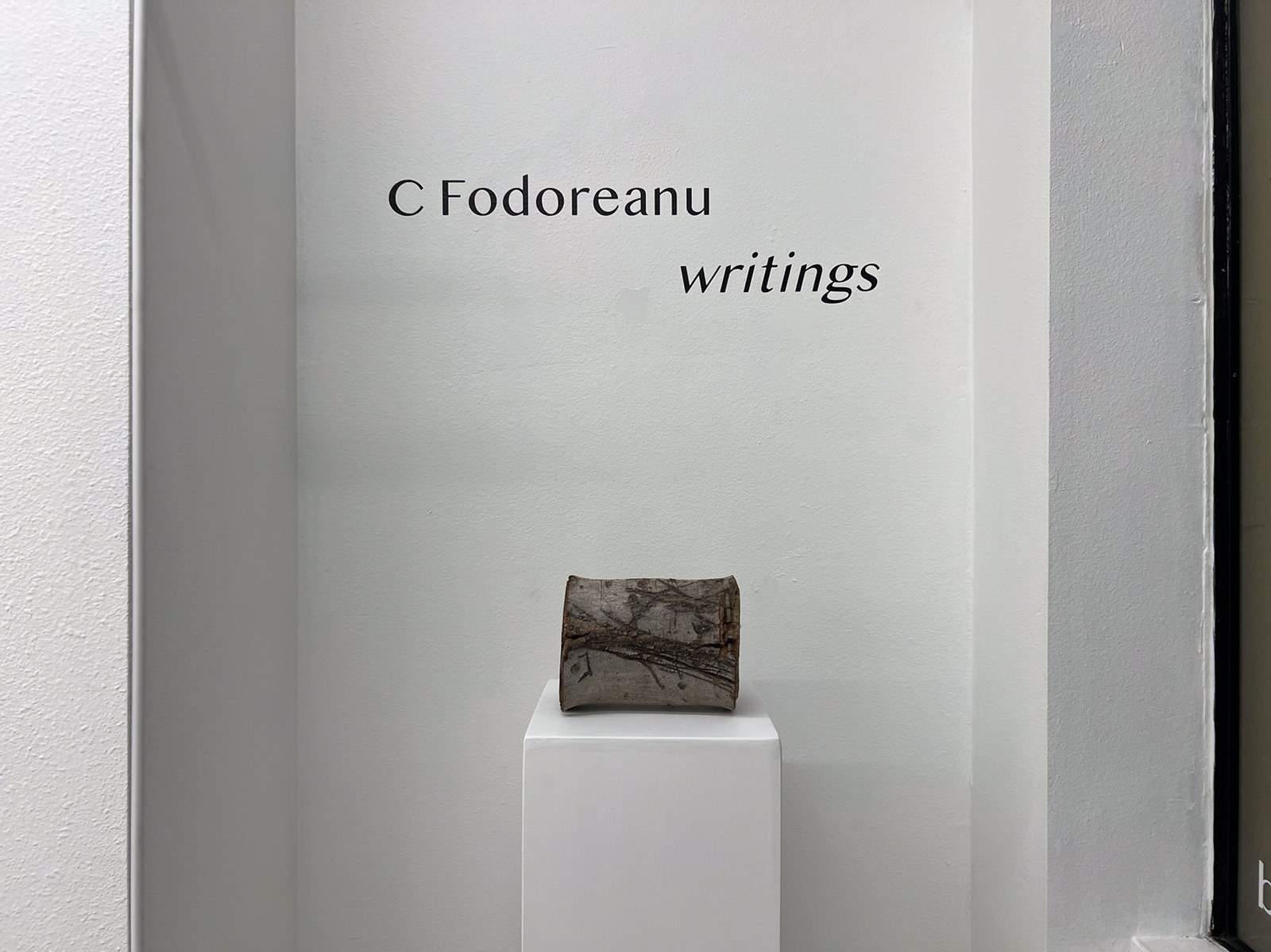
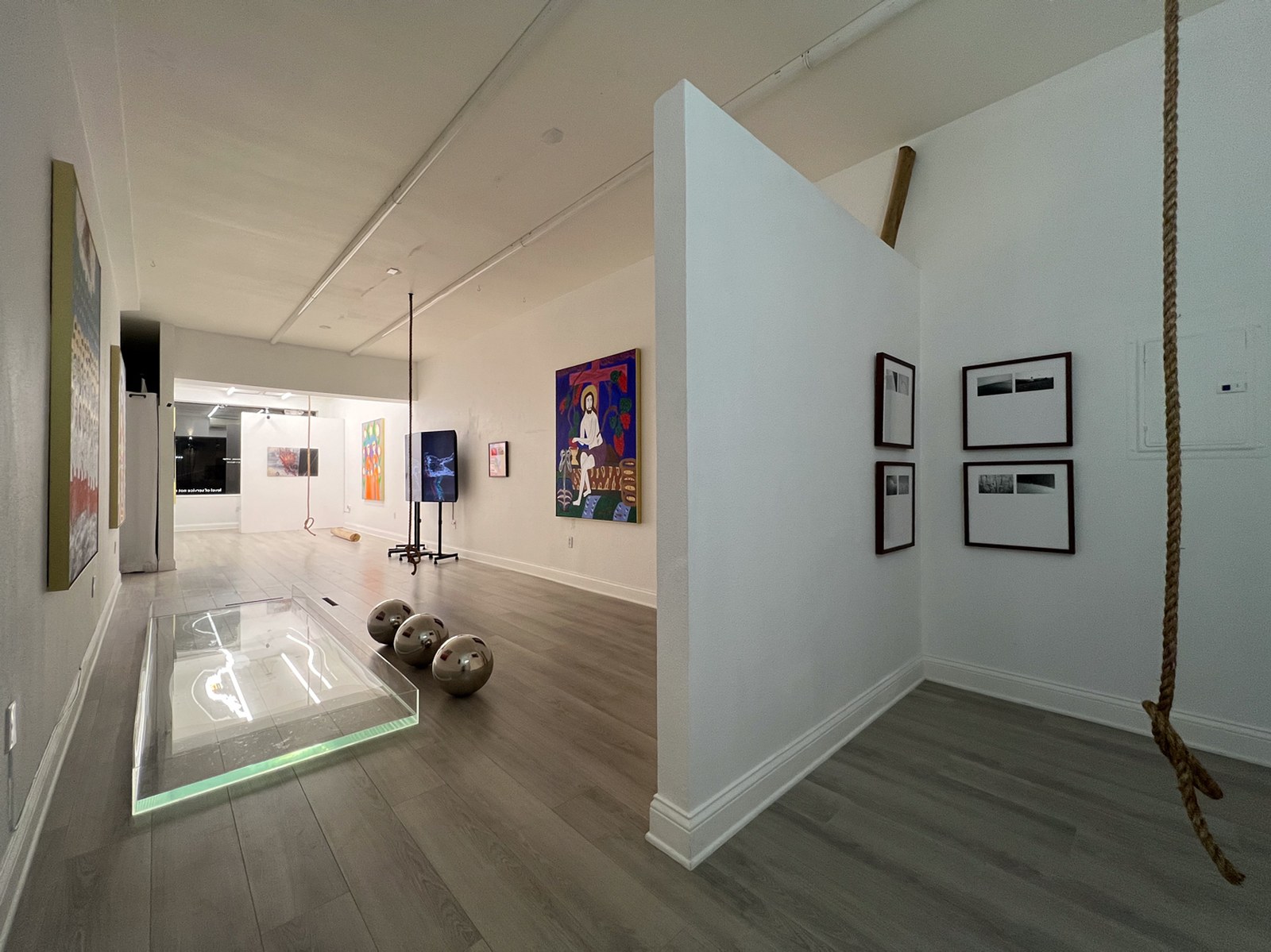
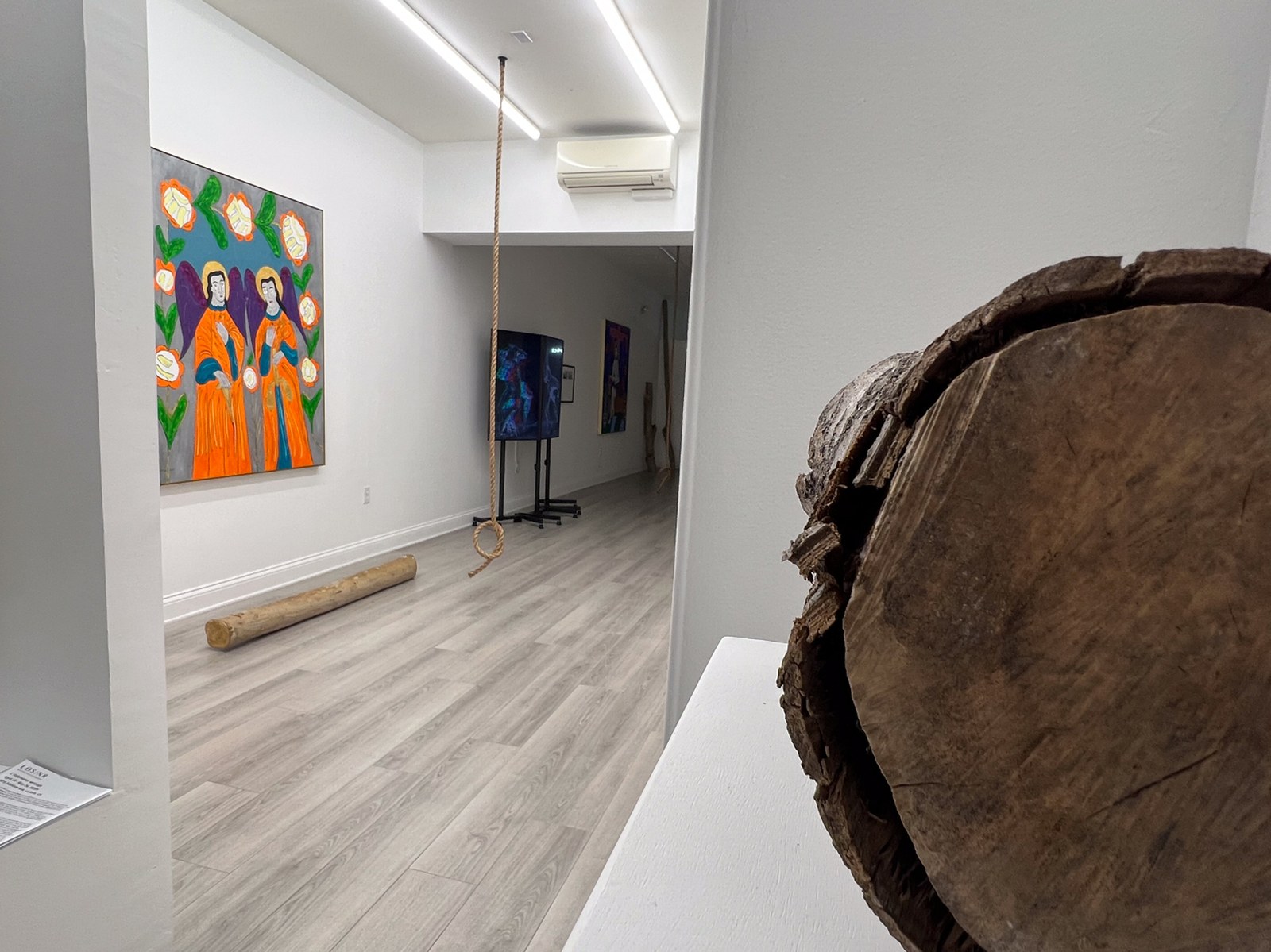
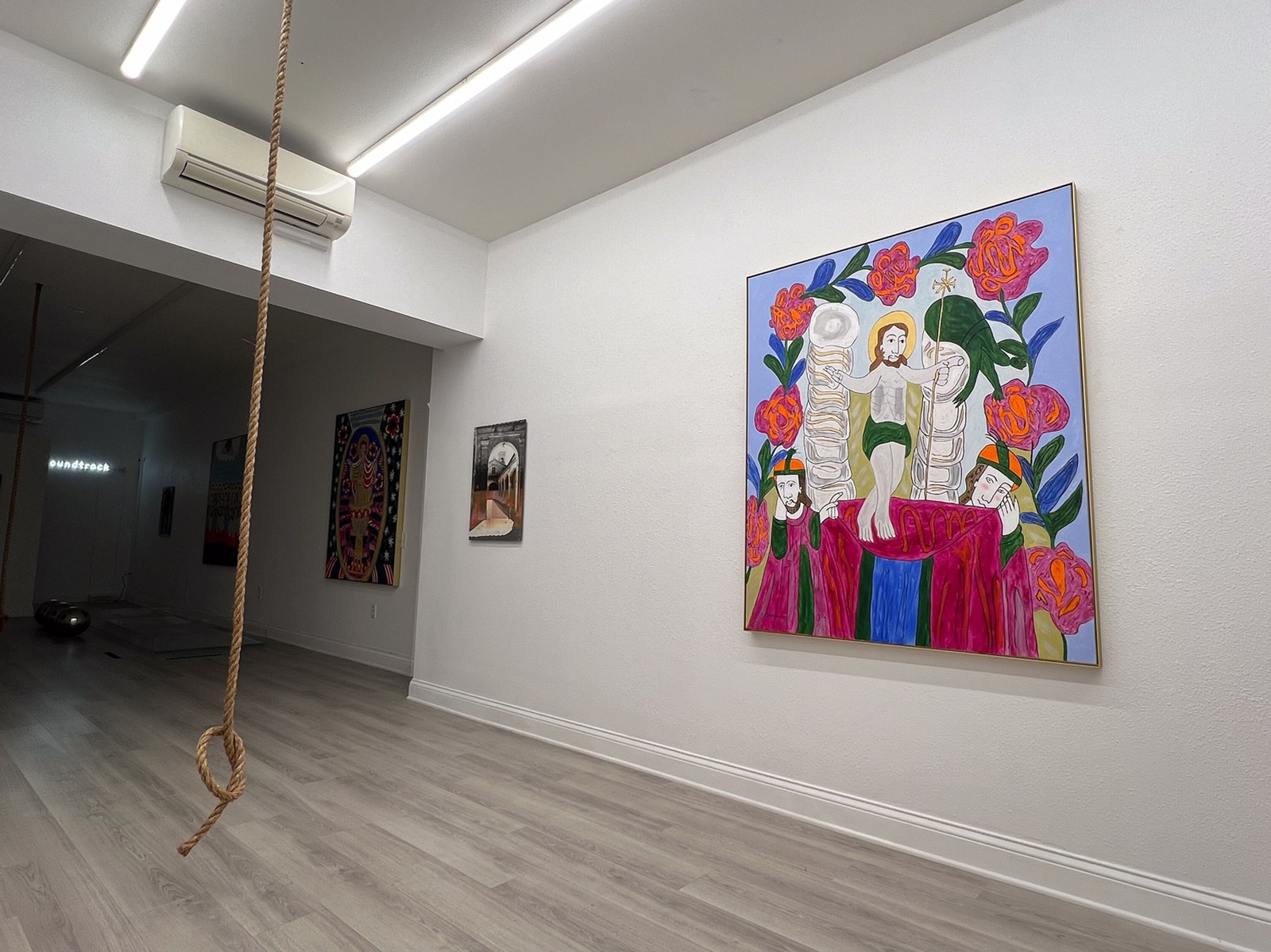
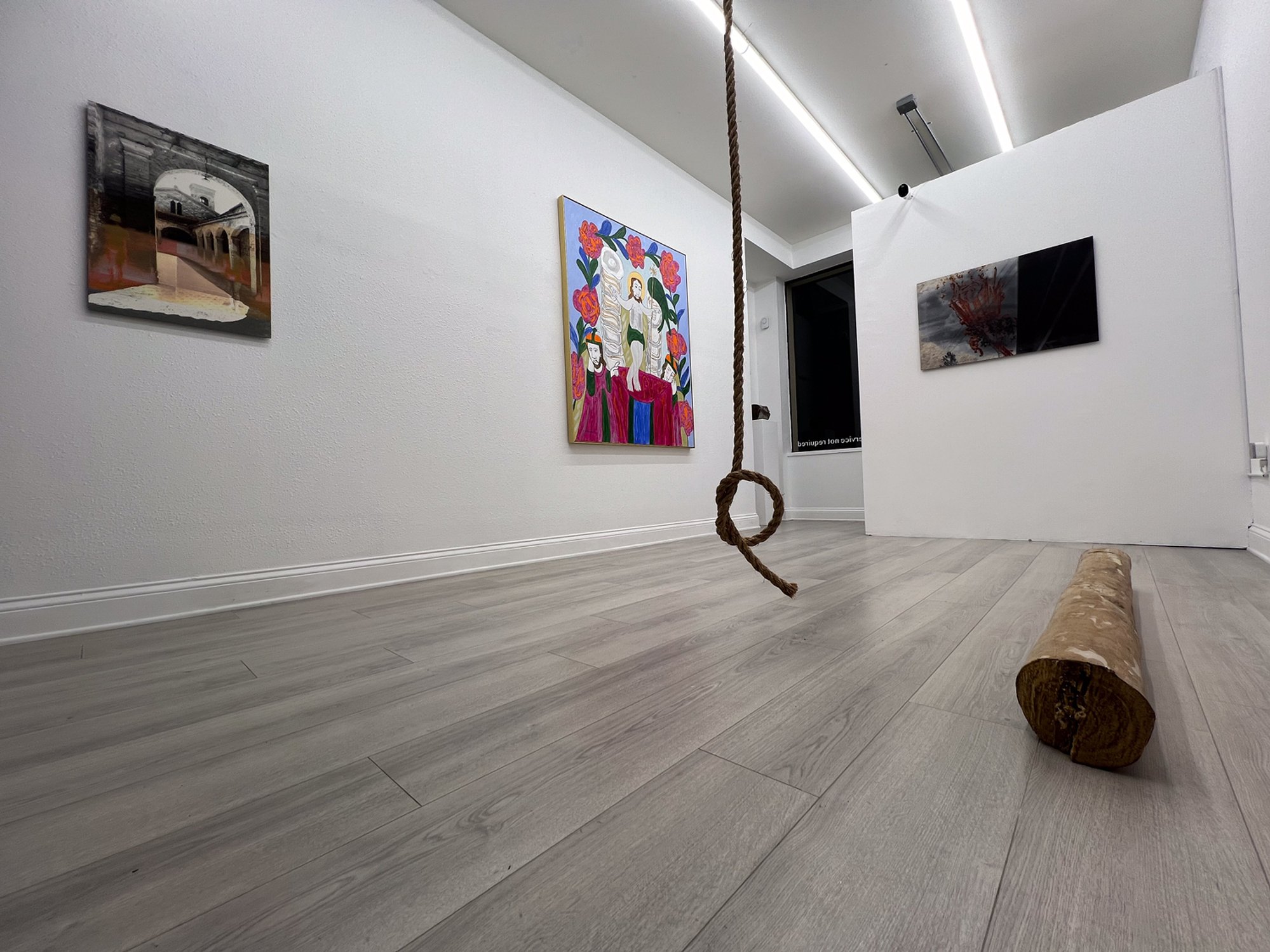
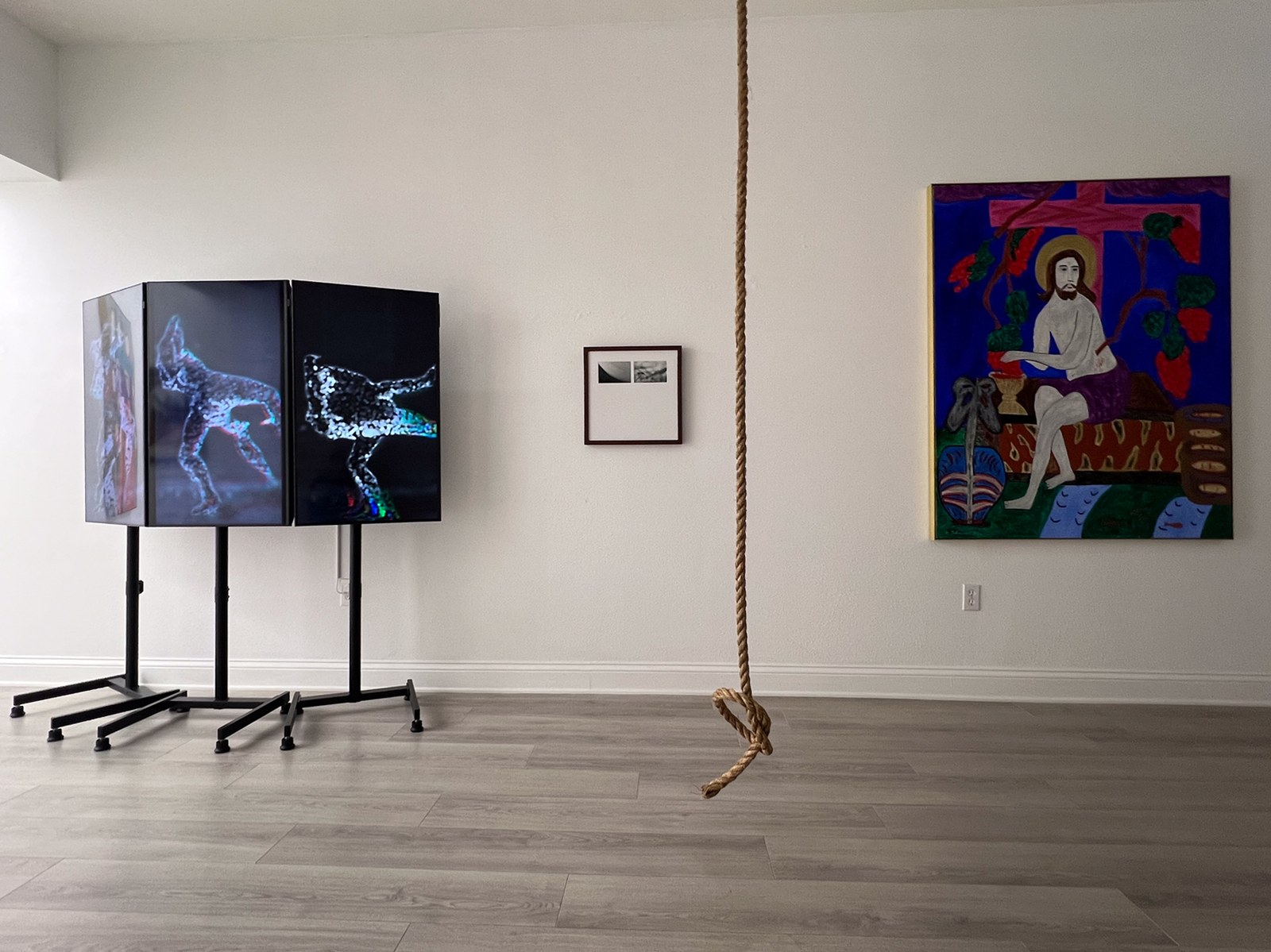
writings — solo exhibition, level of service not required (LOS/NR), La Jolla, CA.
April 19 – May 26, 2025. Opening reception: Holy Saturday, April 19, 4–6 pm.
Includes sub-limin-al (digital realm, 2023).

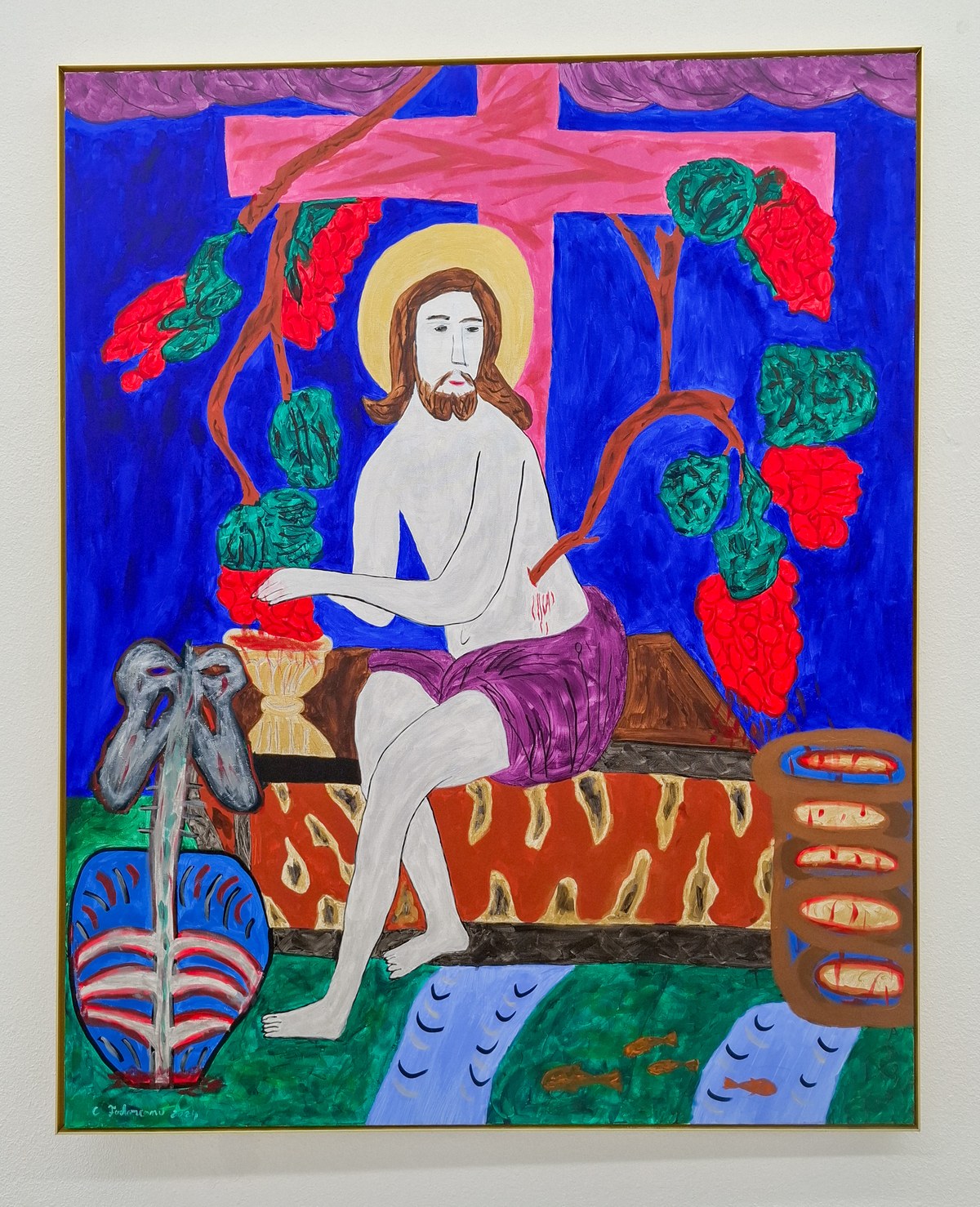
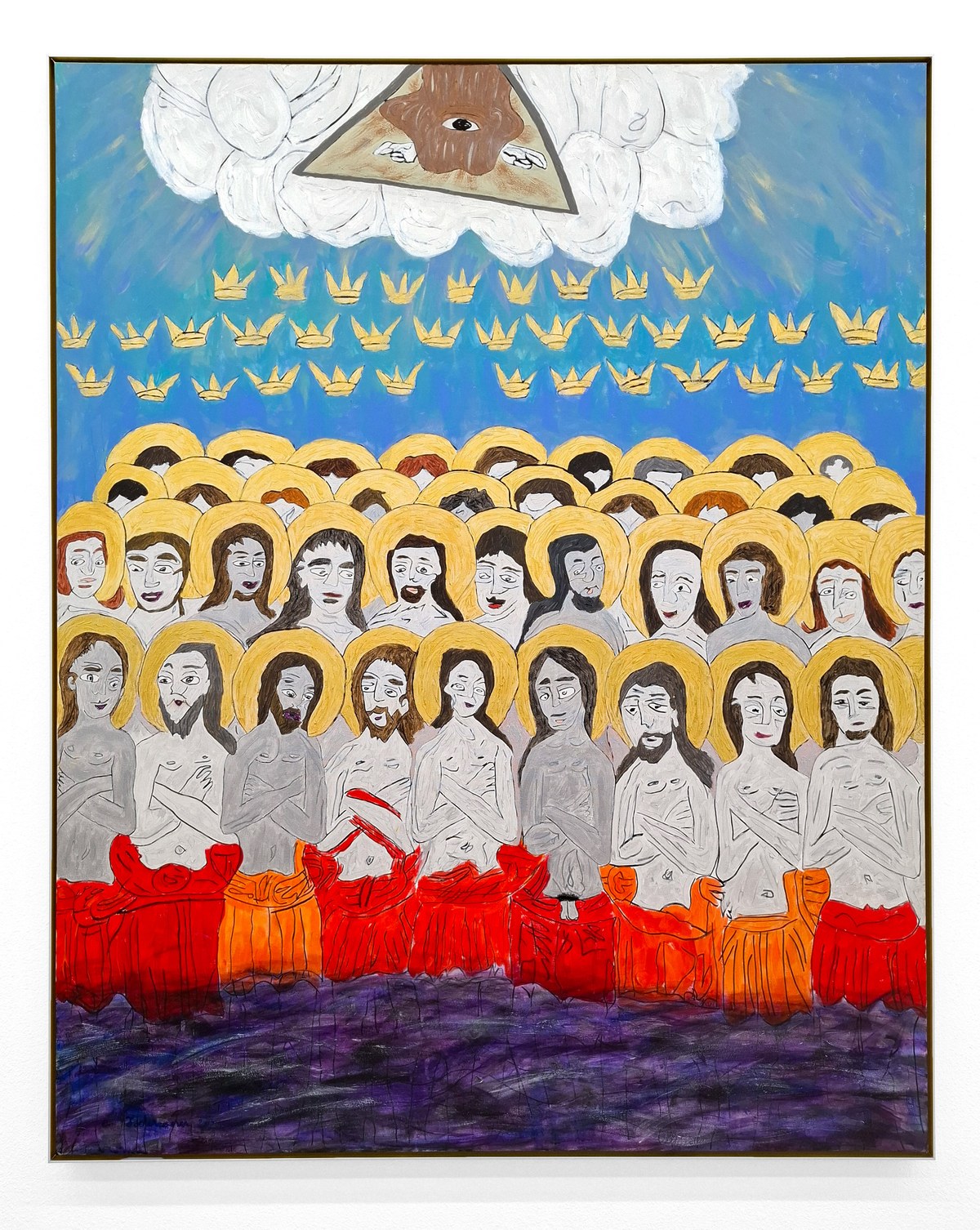
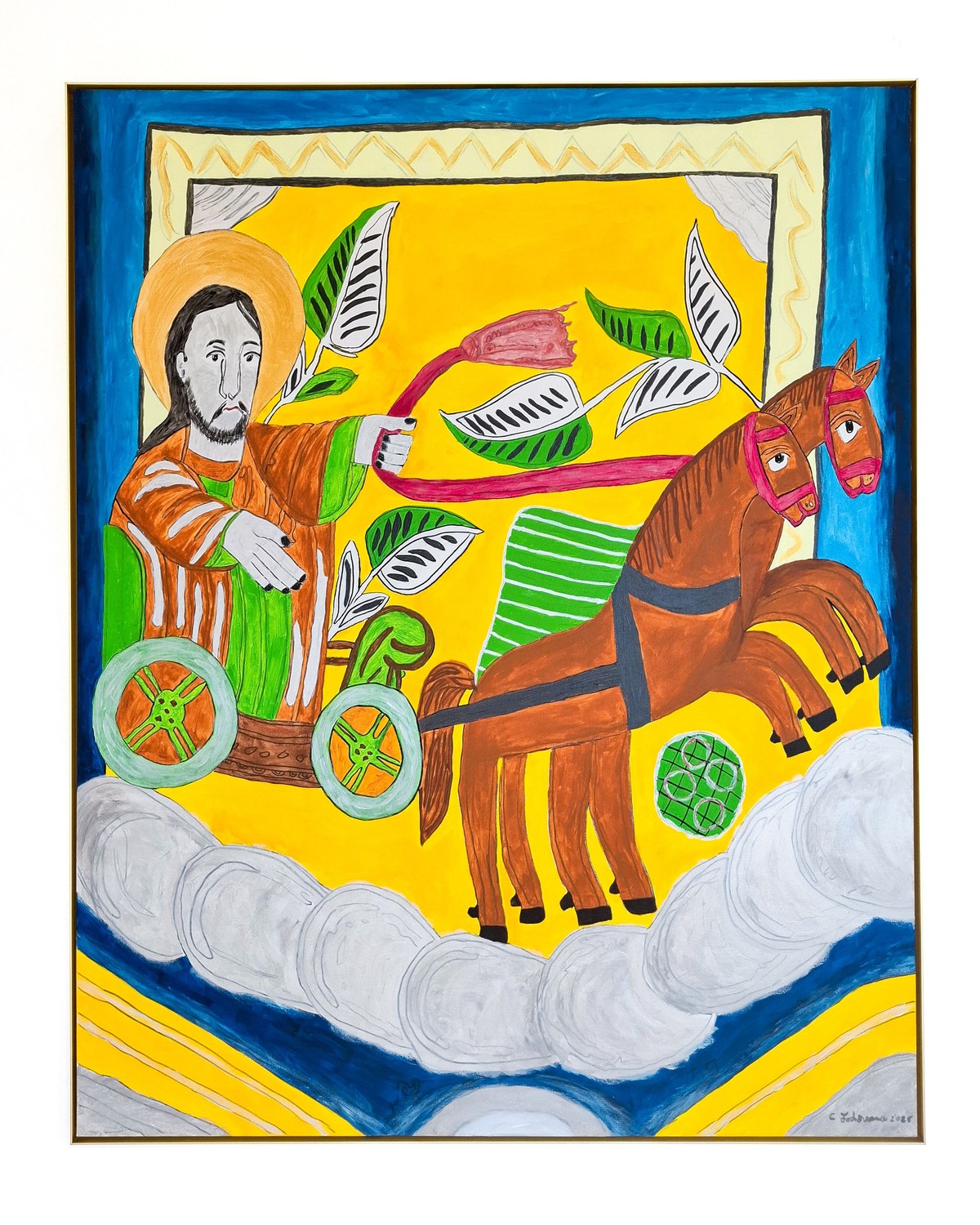
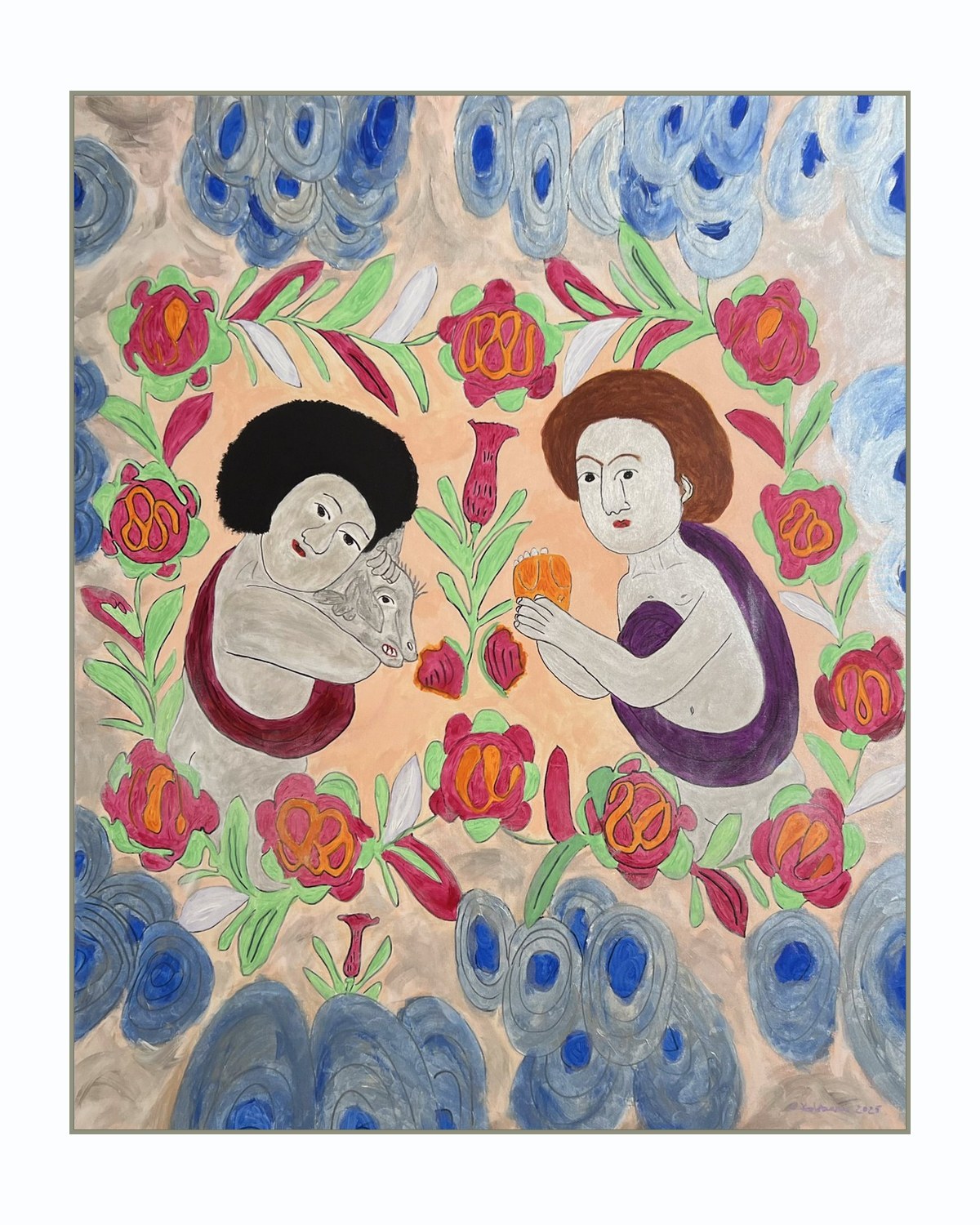
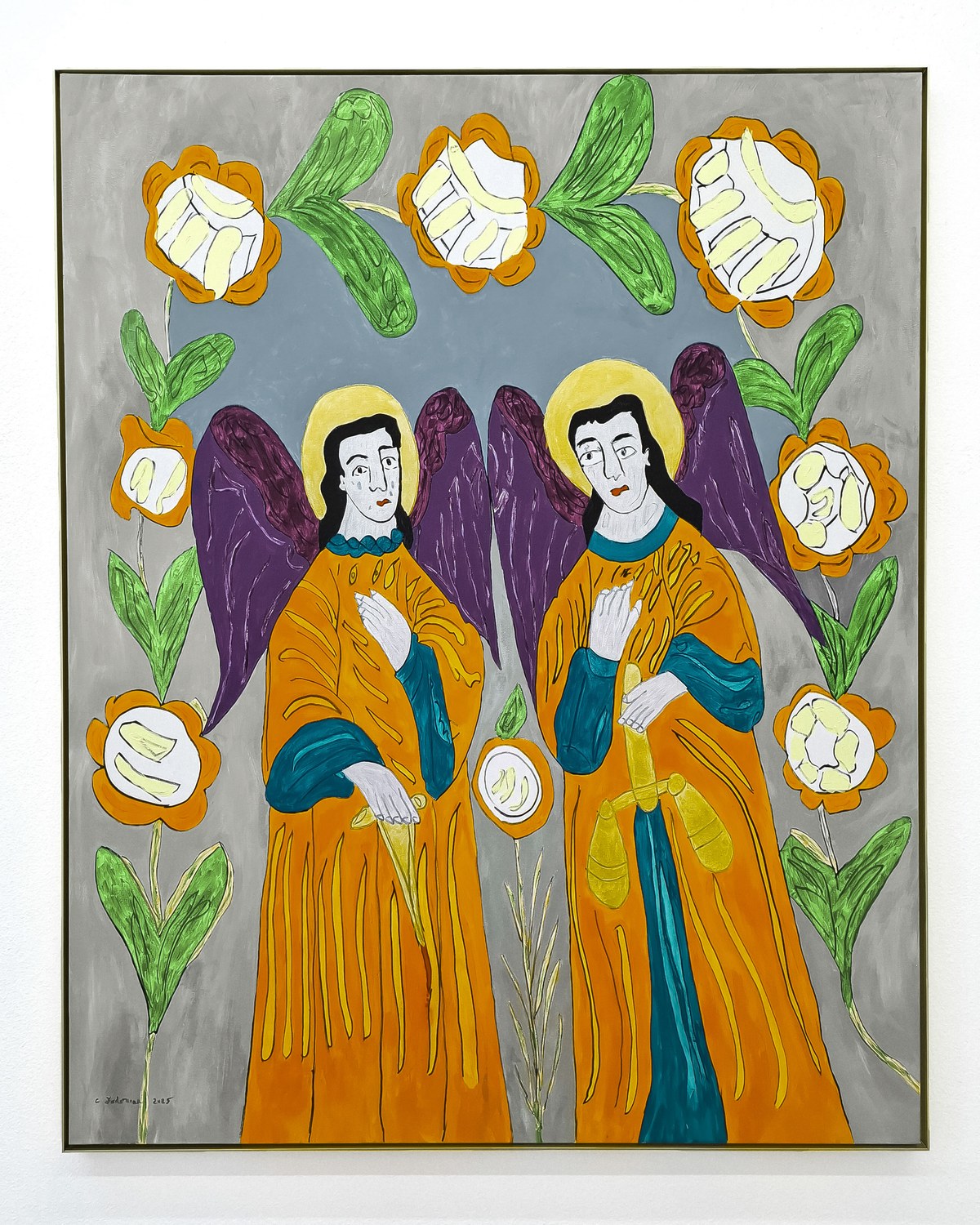
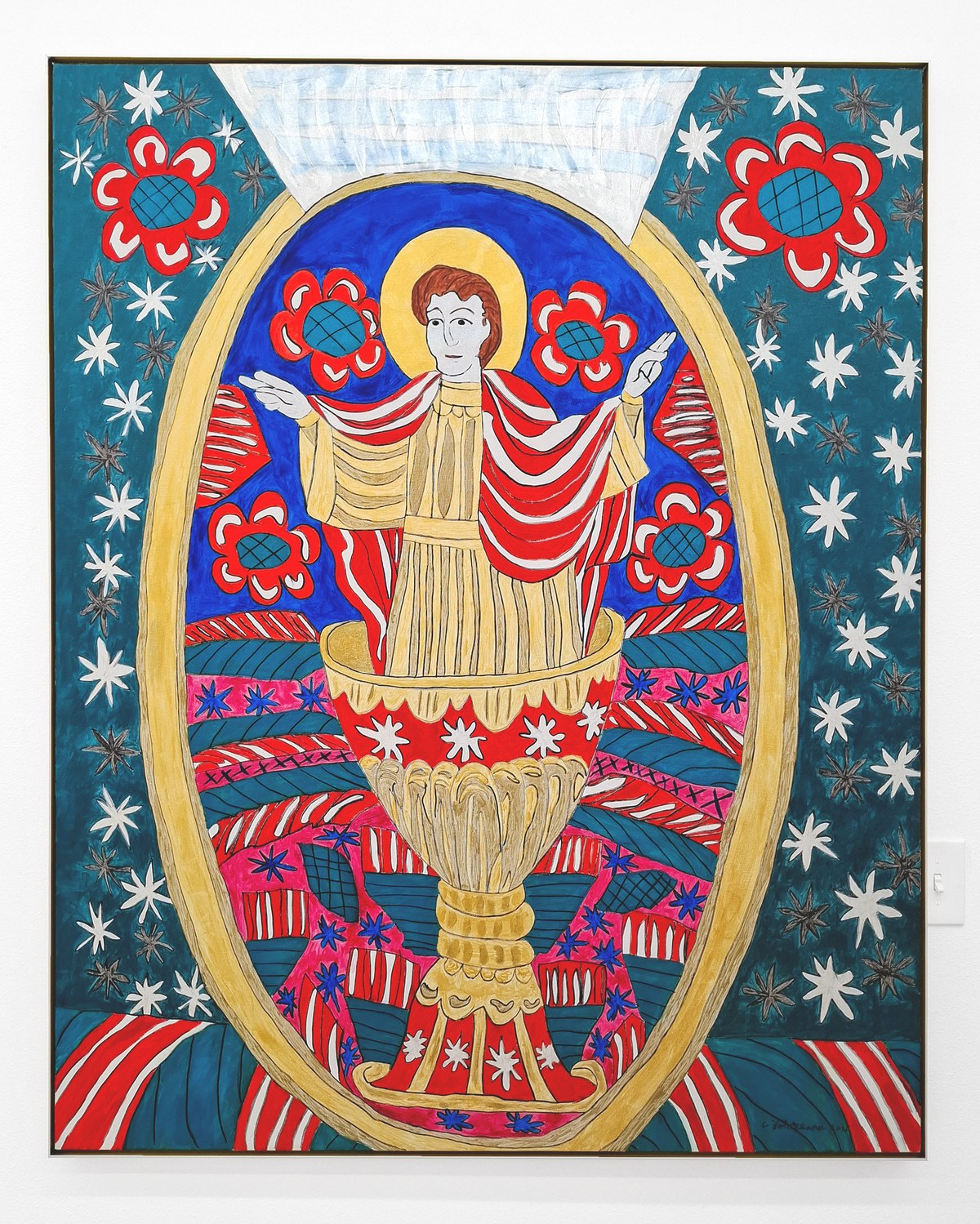
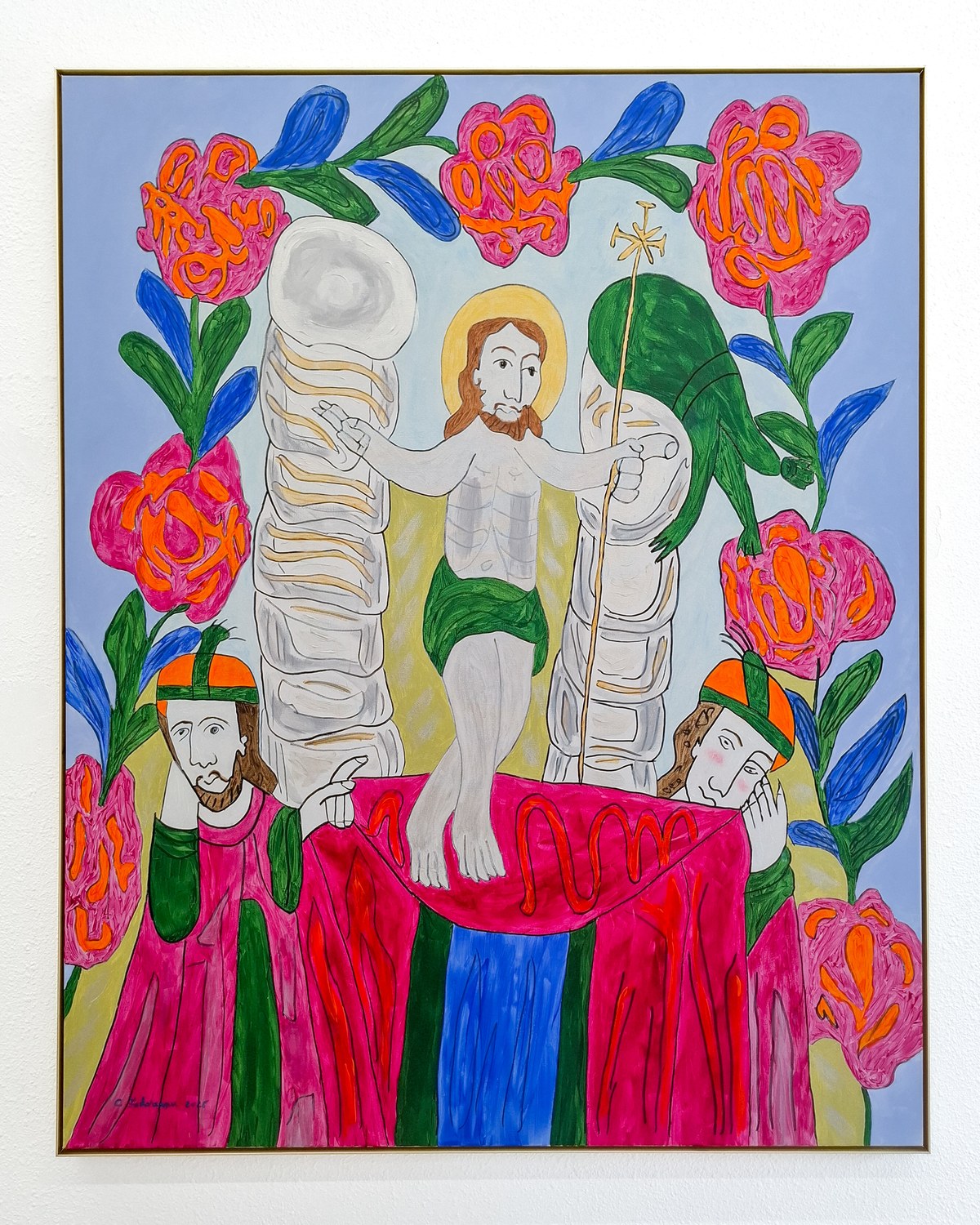
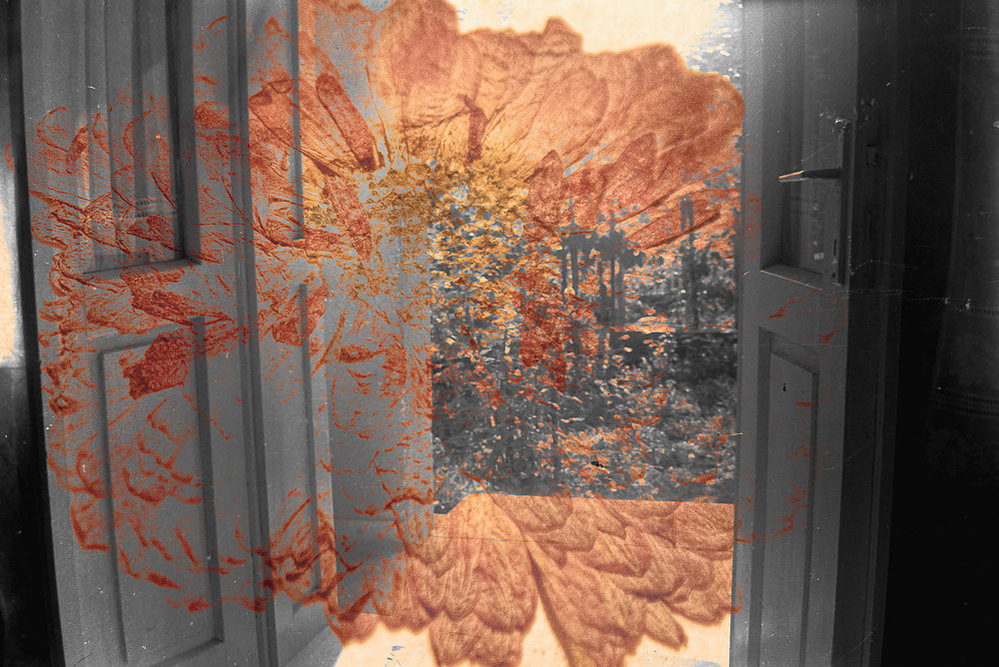
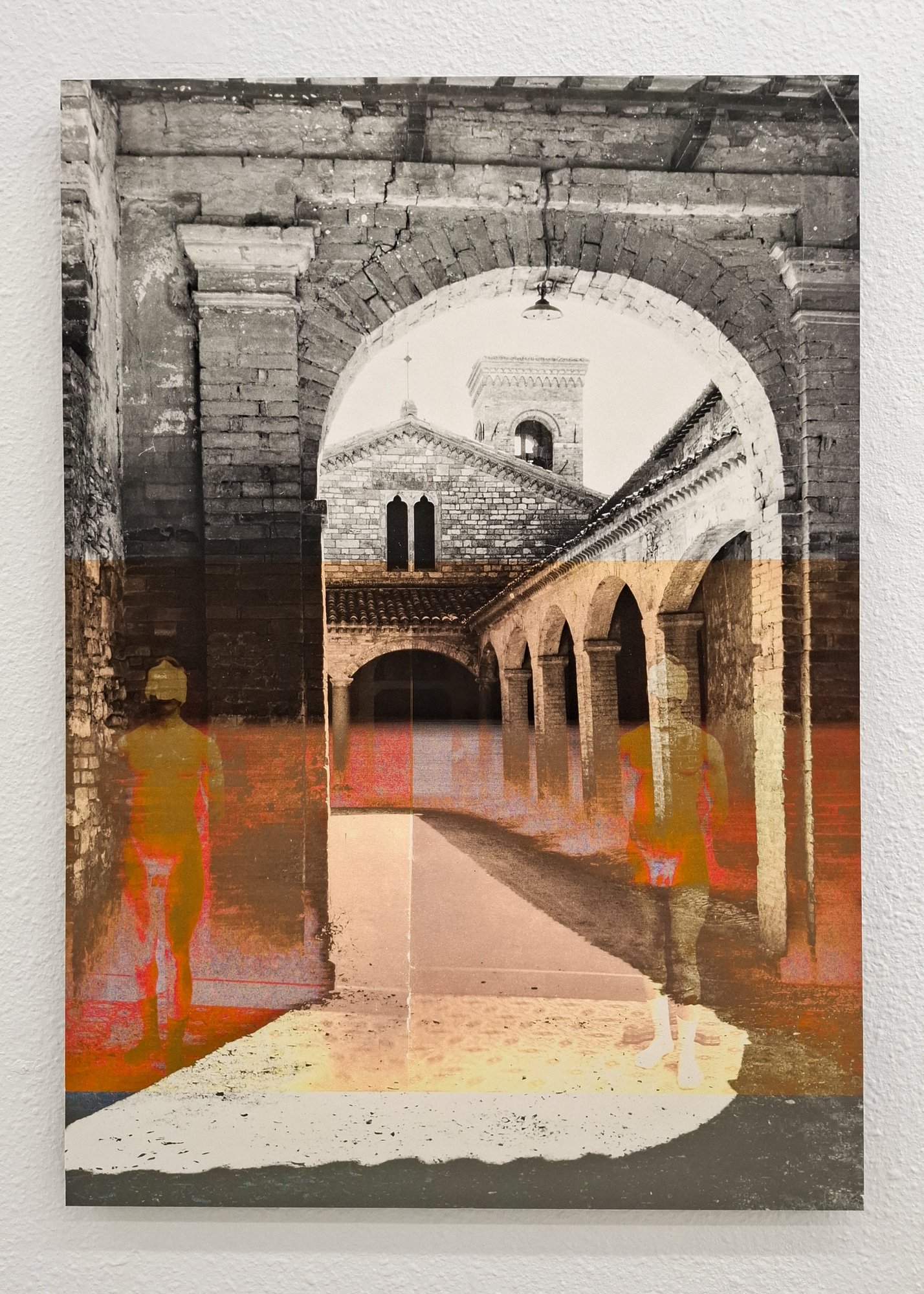
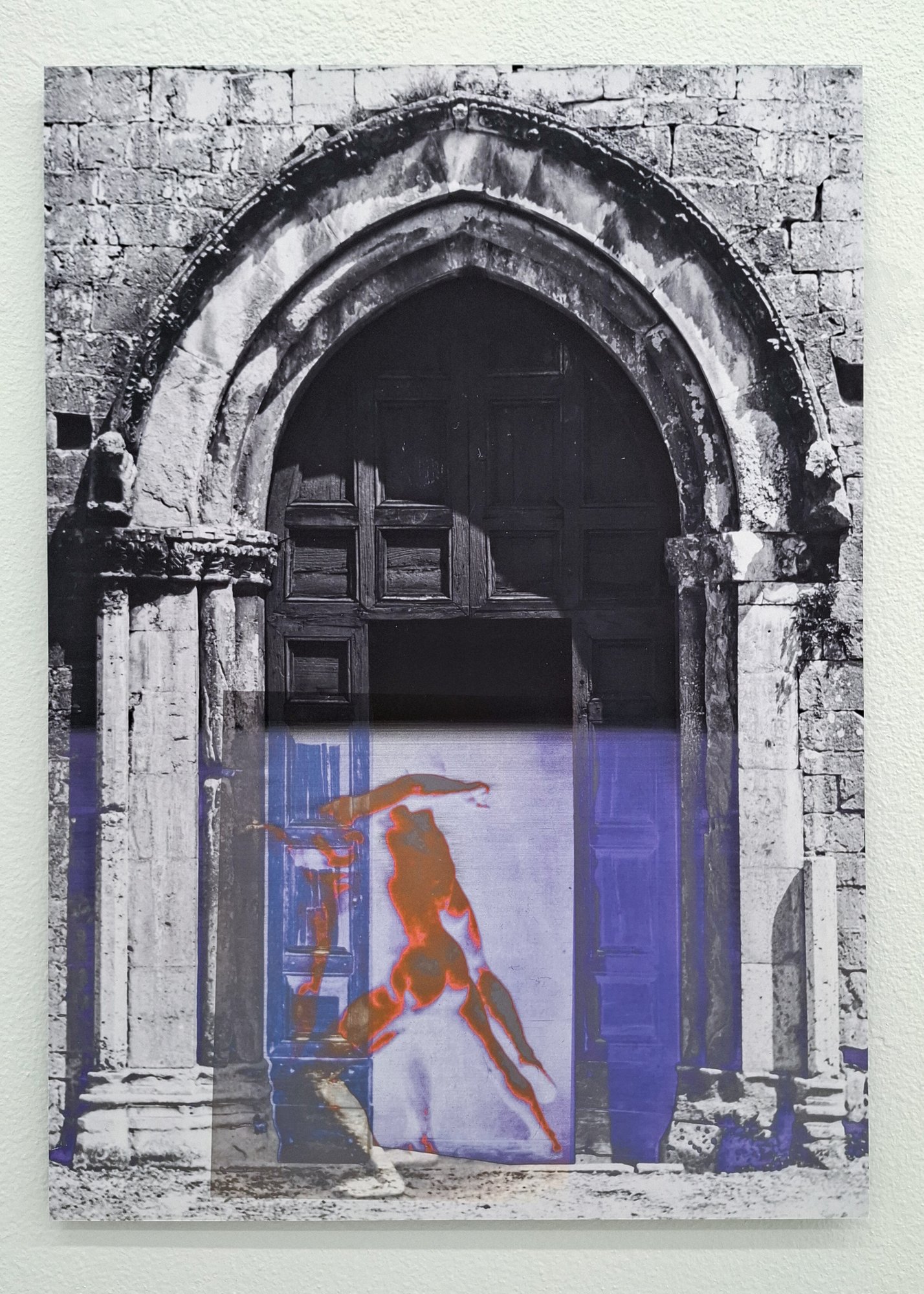
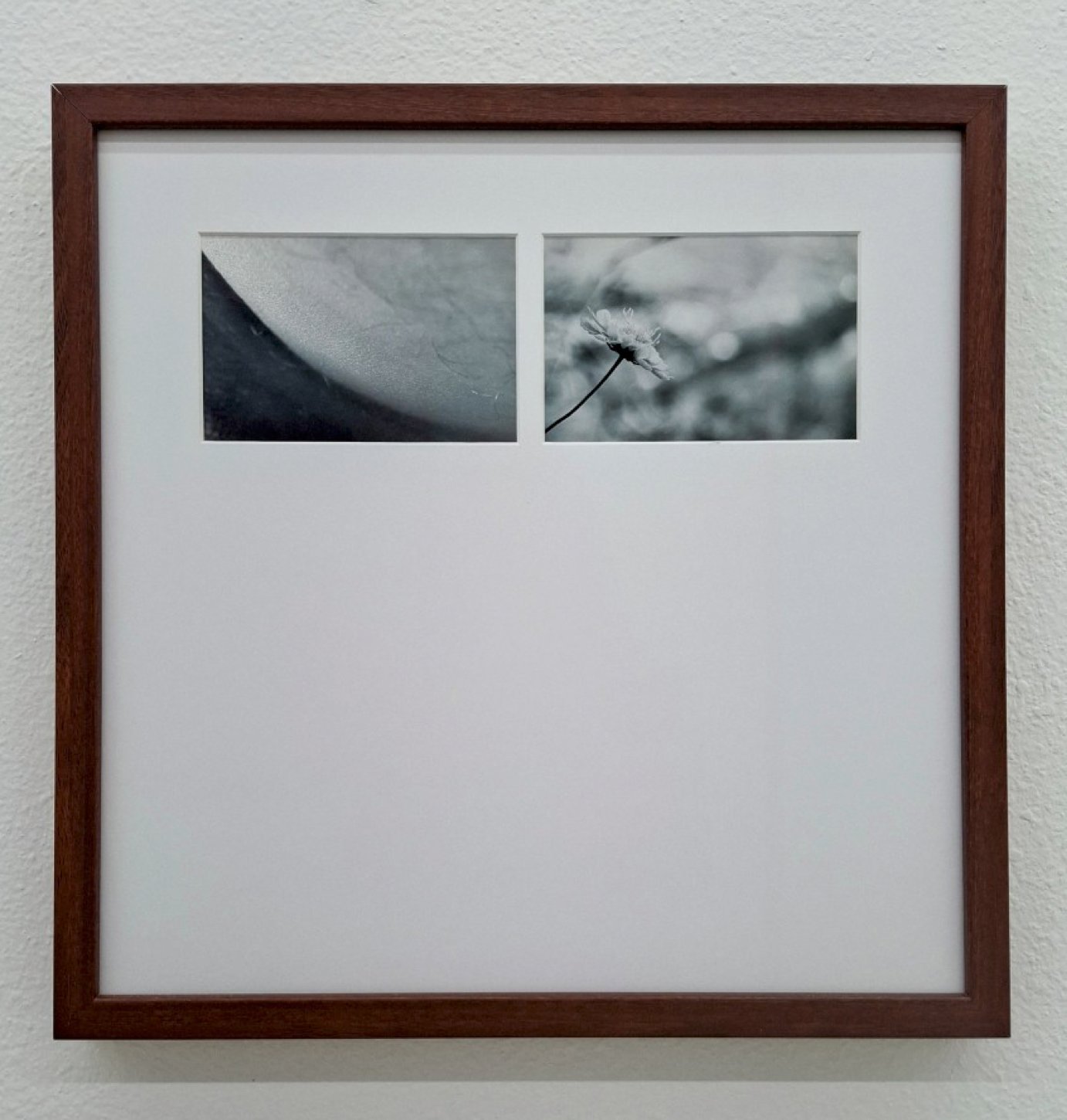
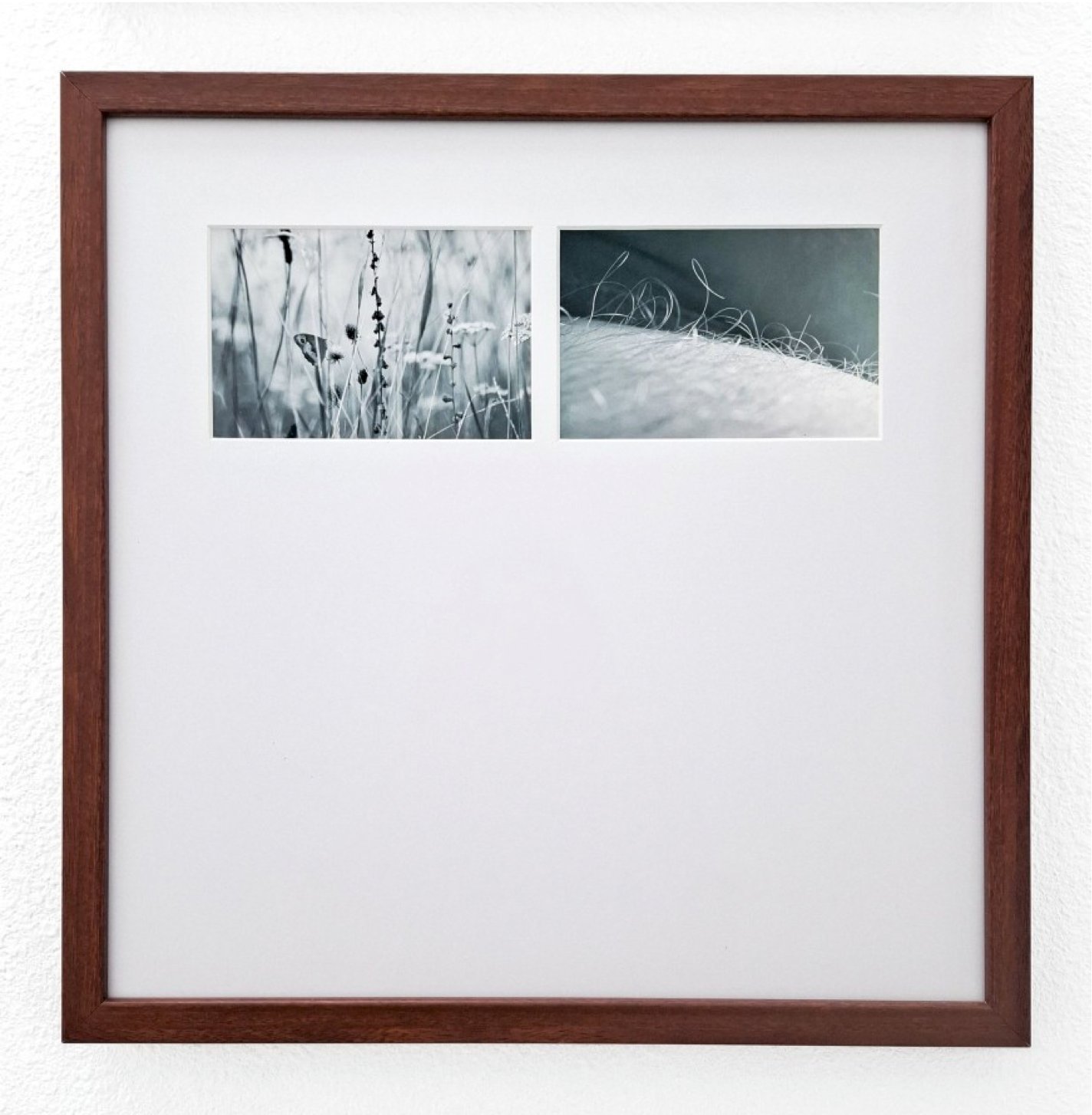
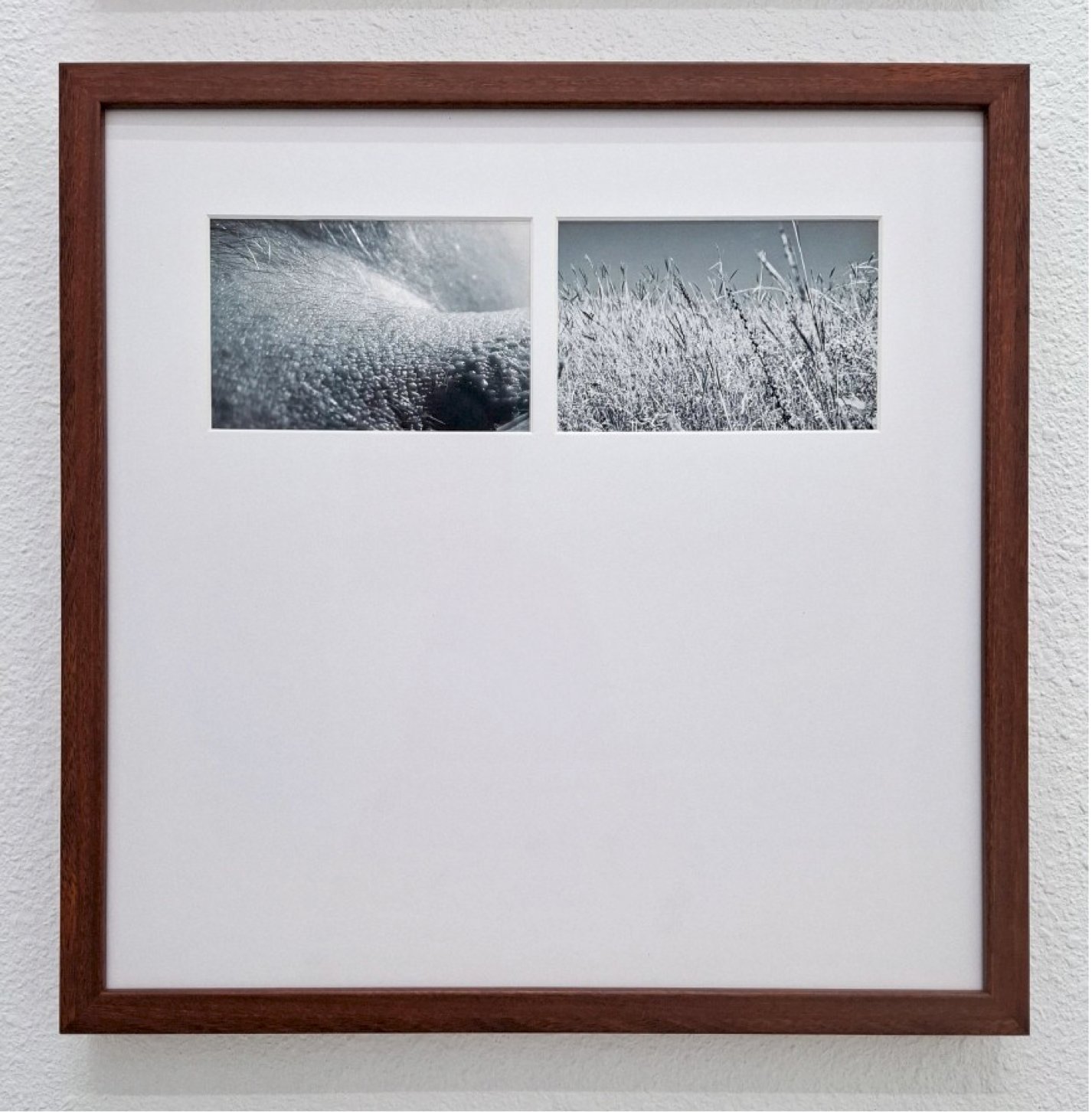
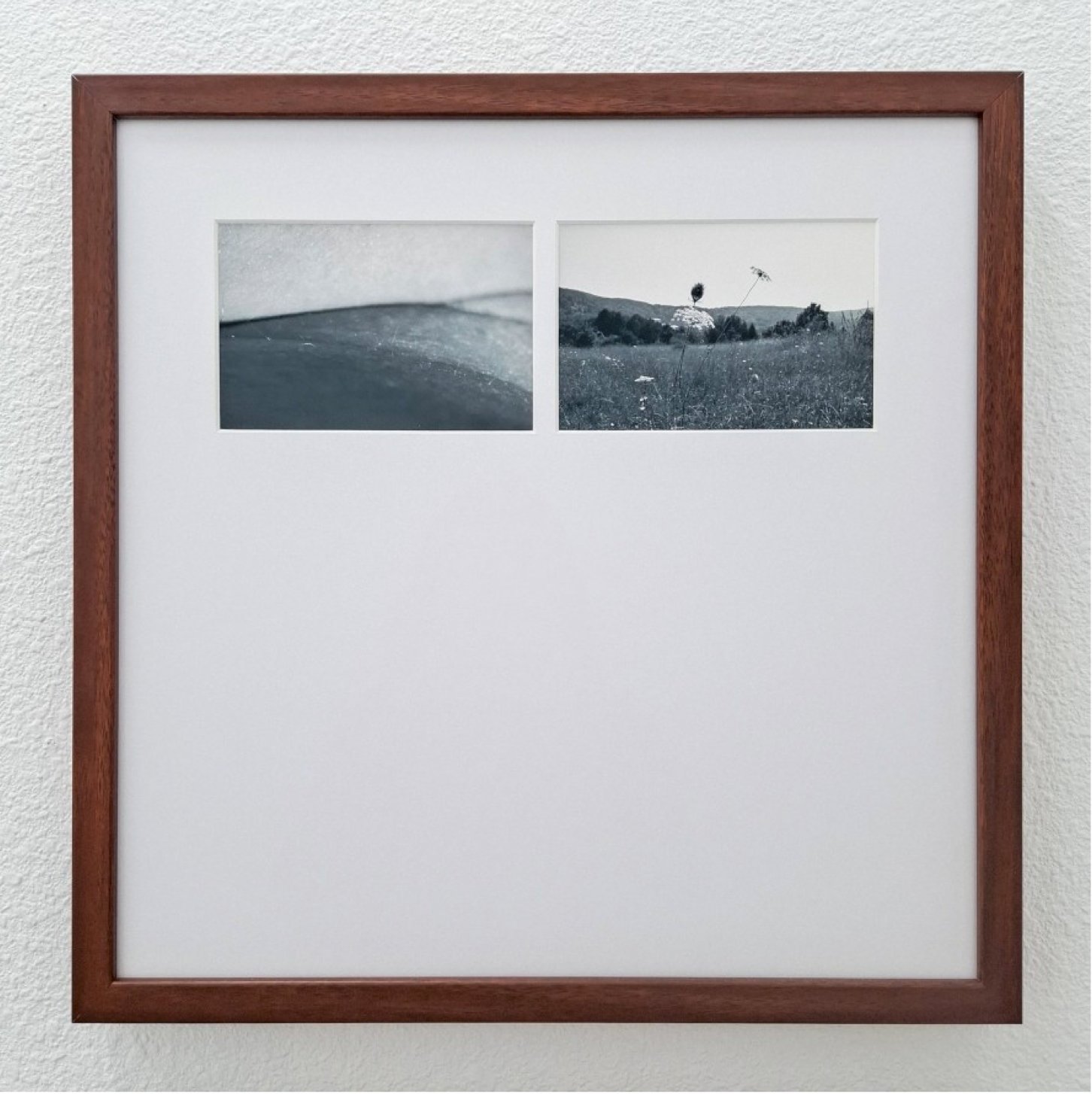
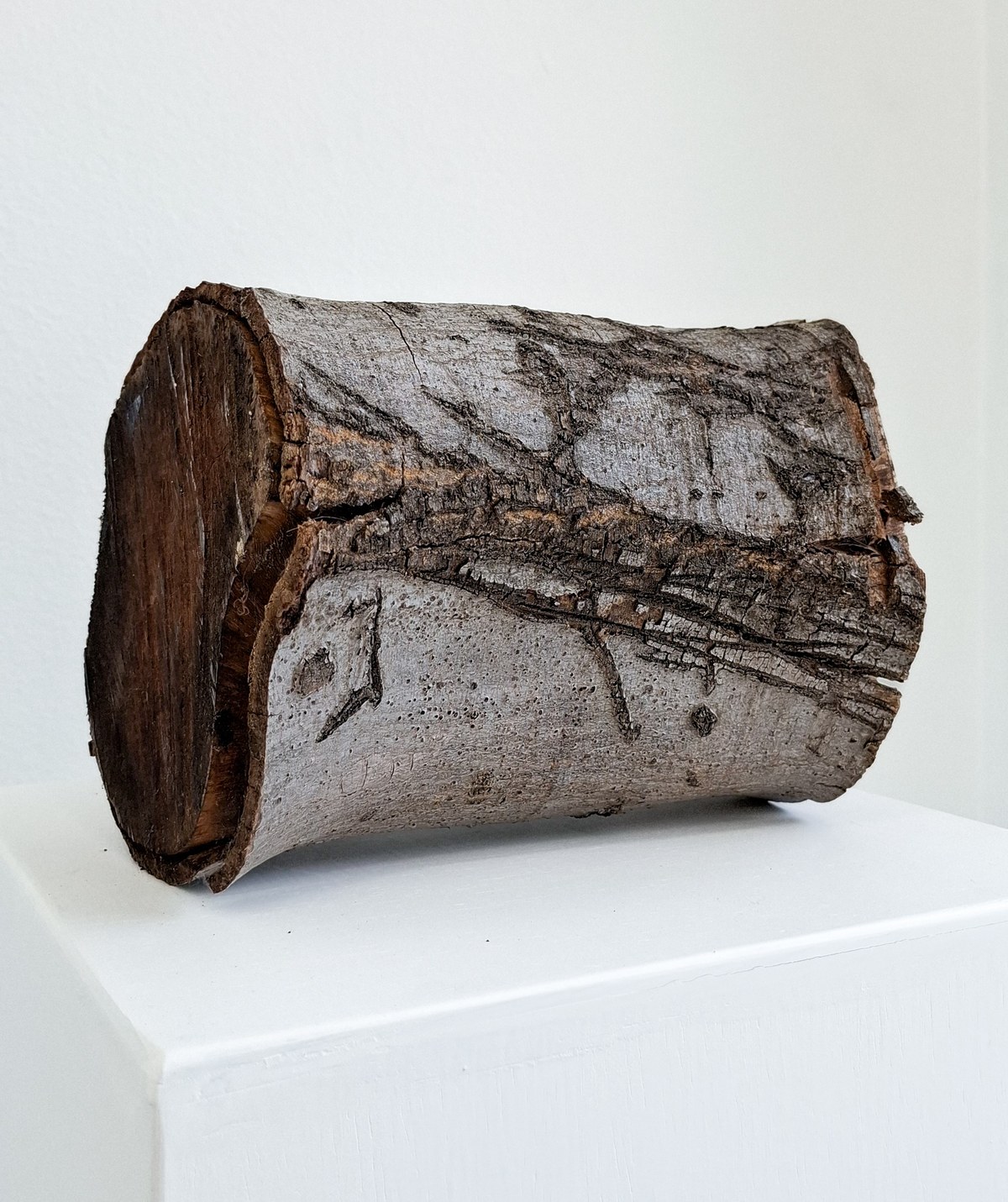
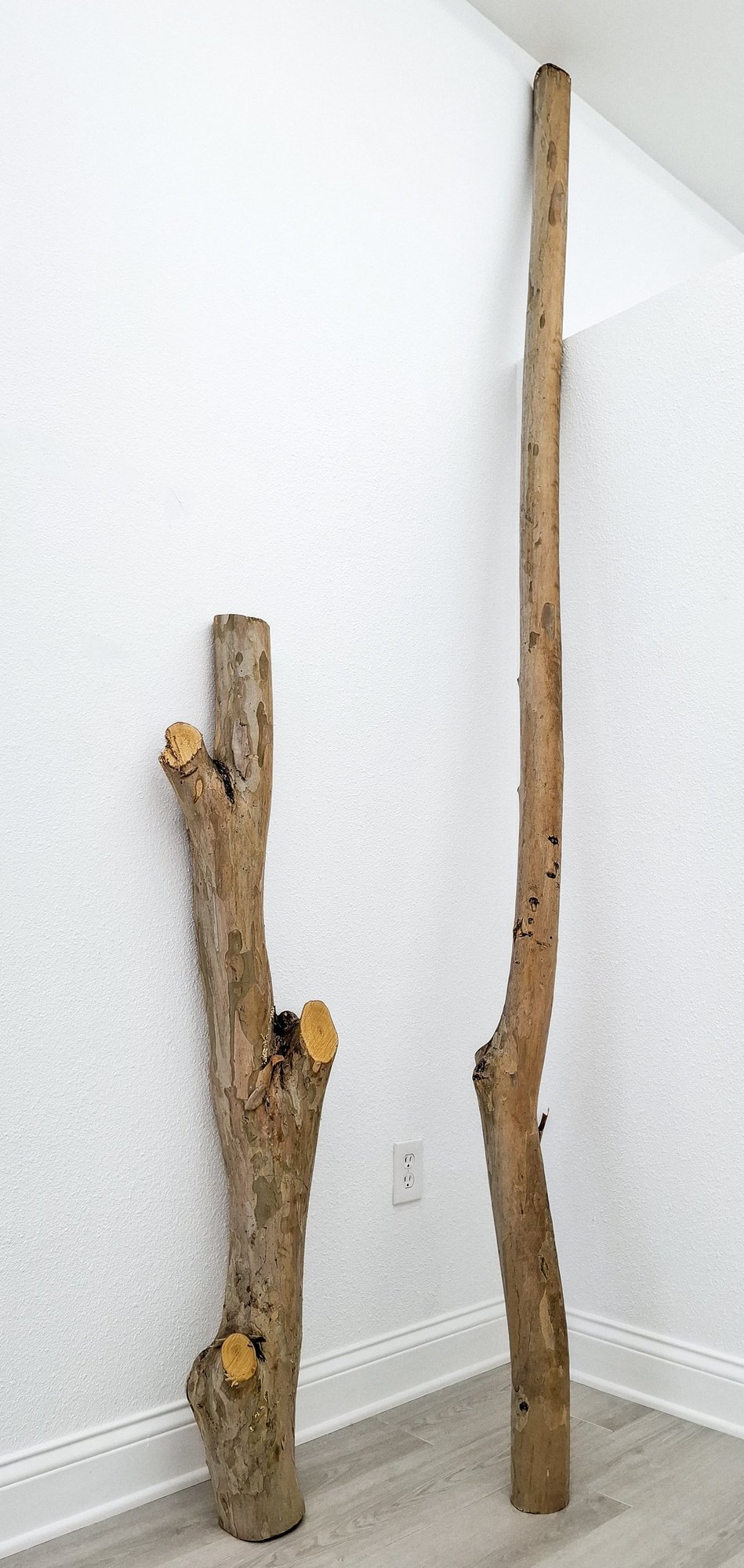
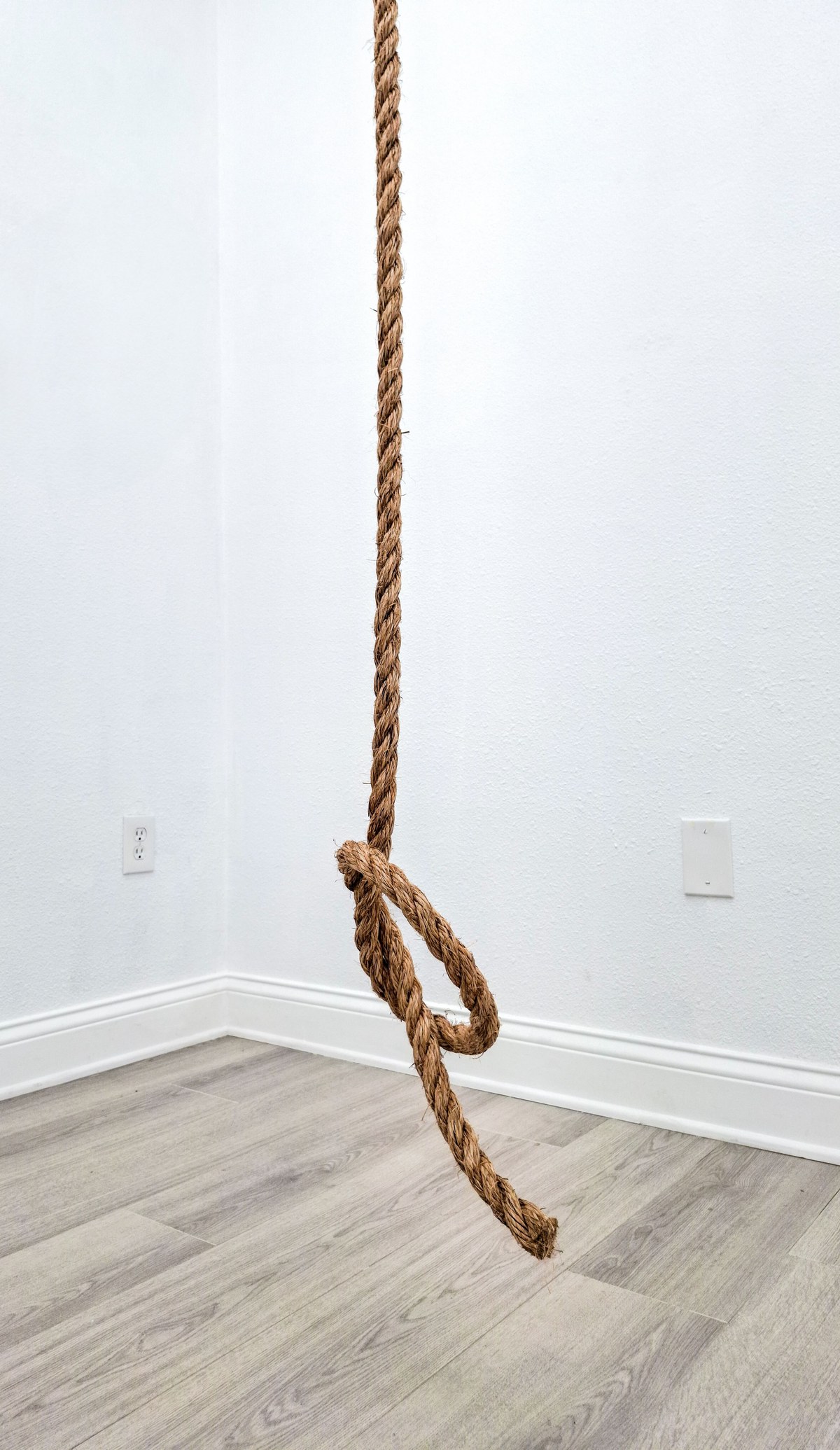
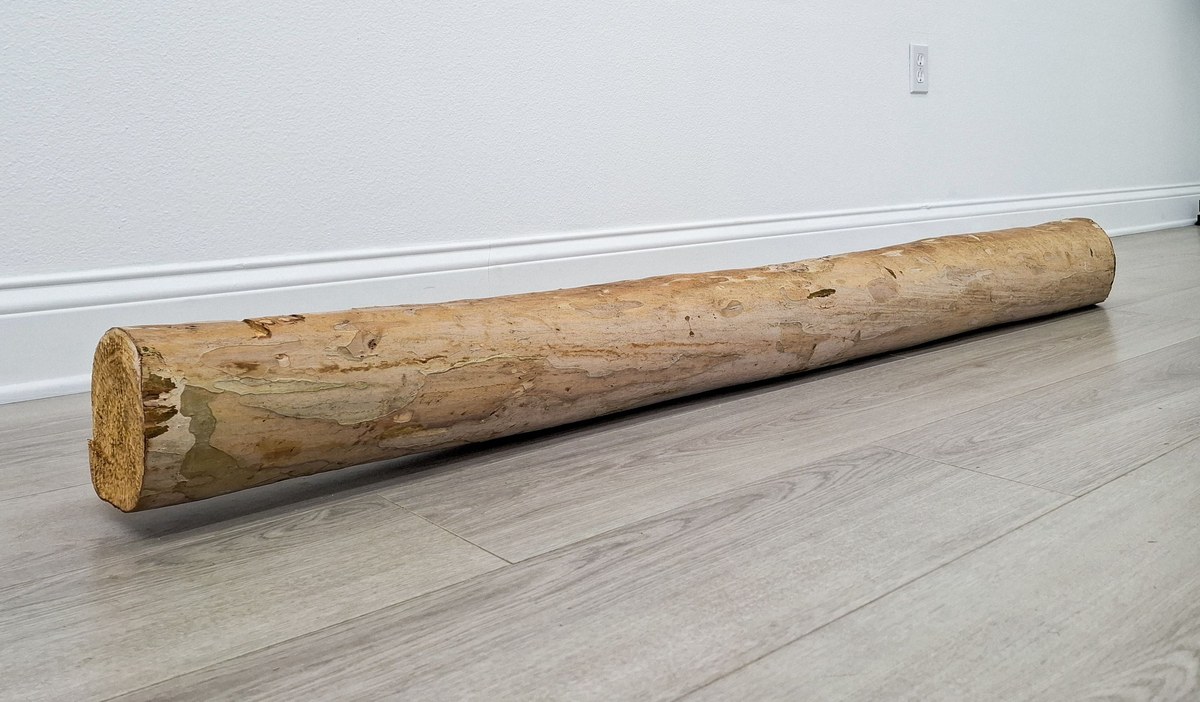
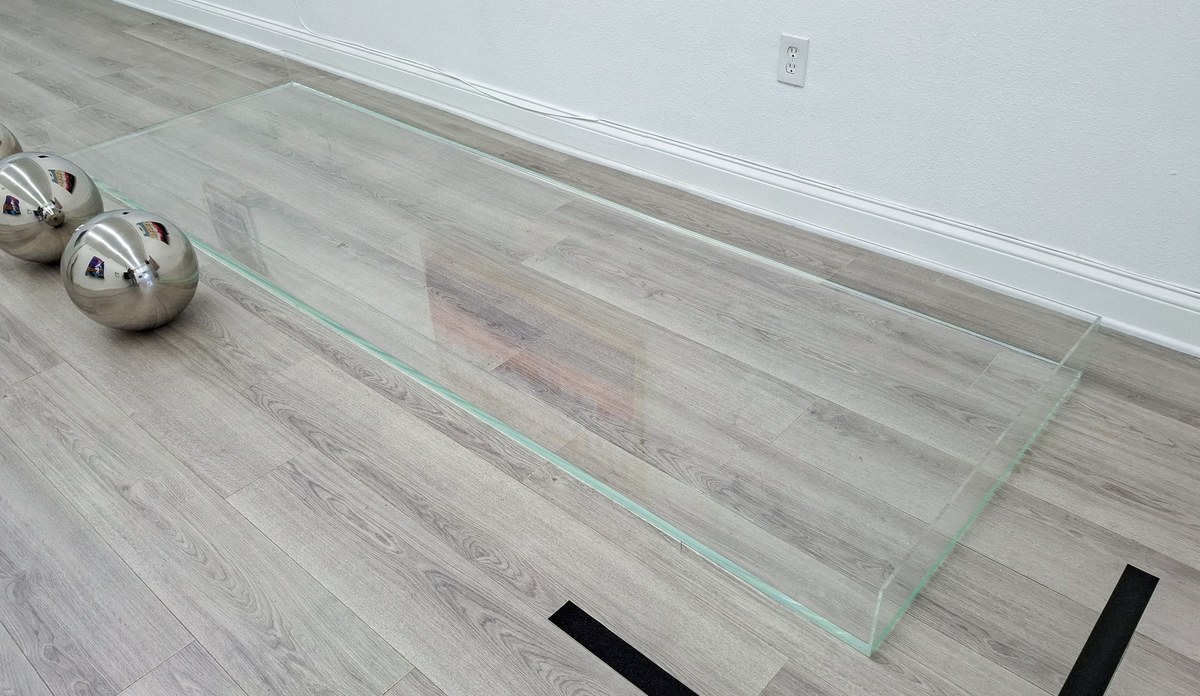
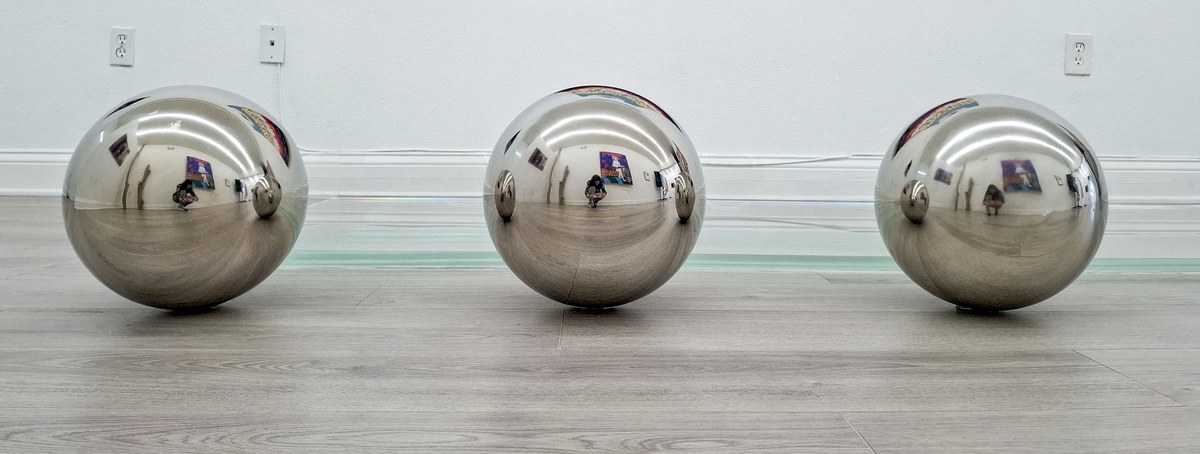
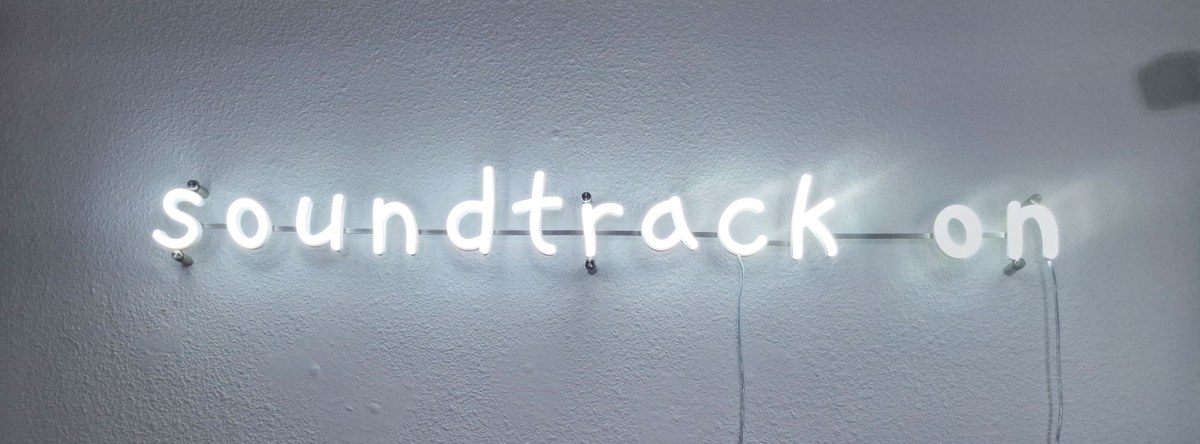
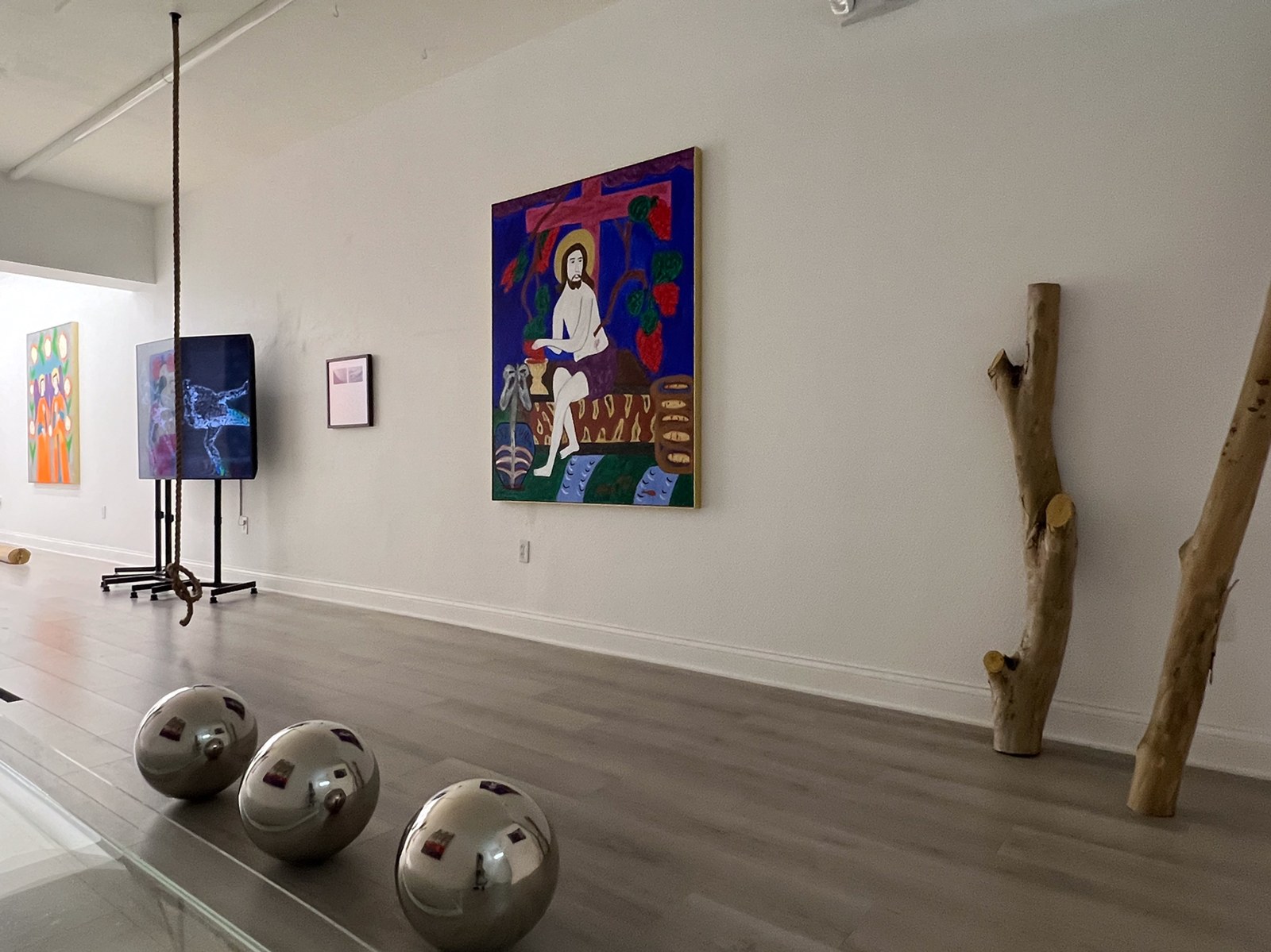
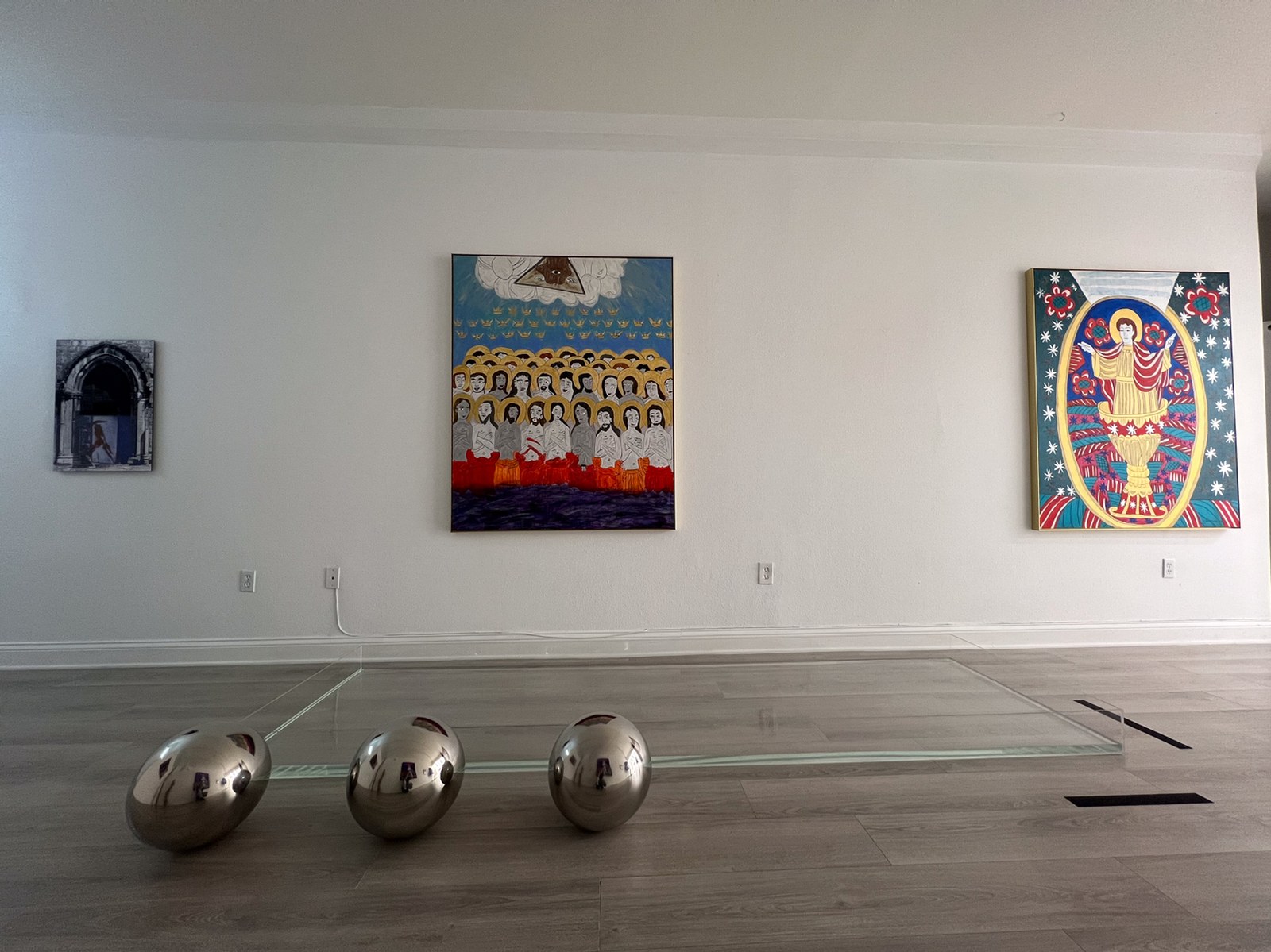
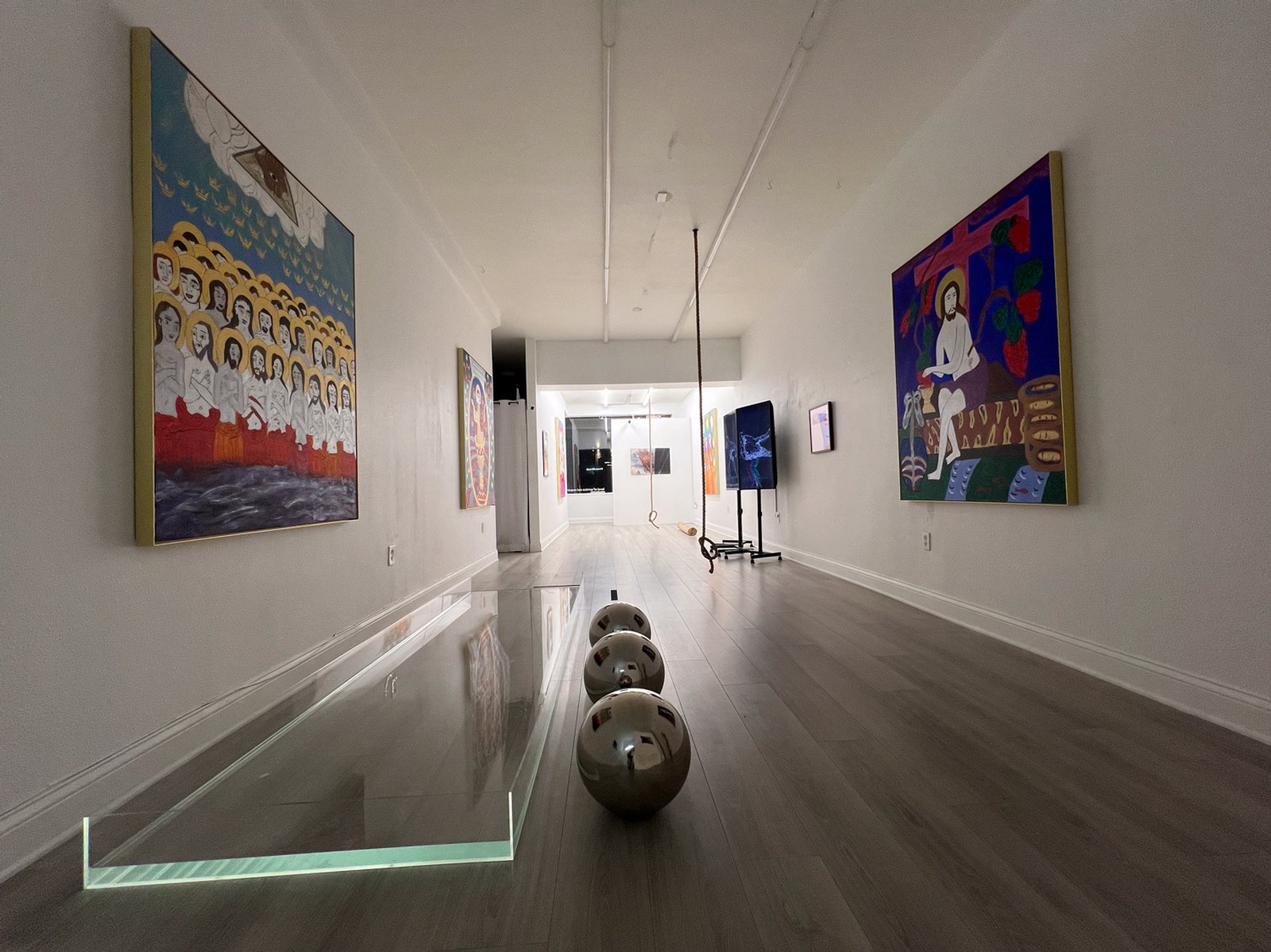
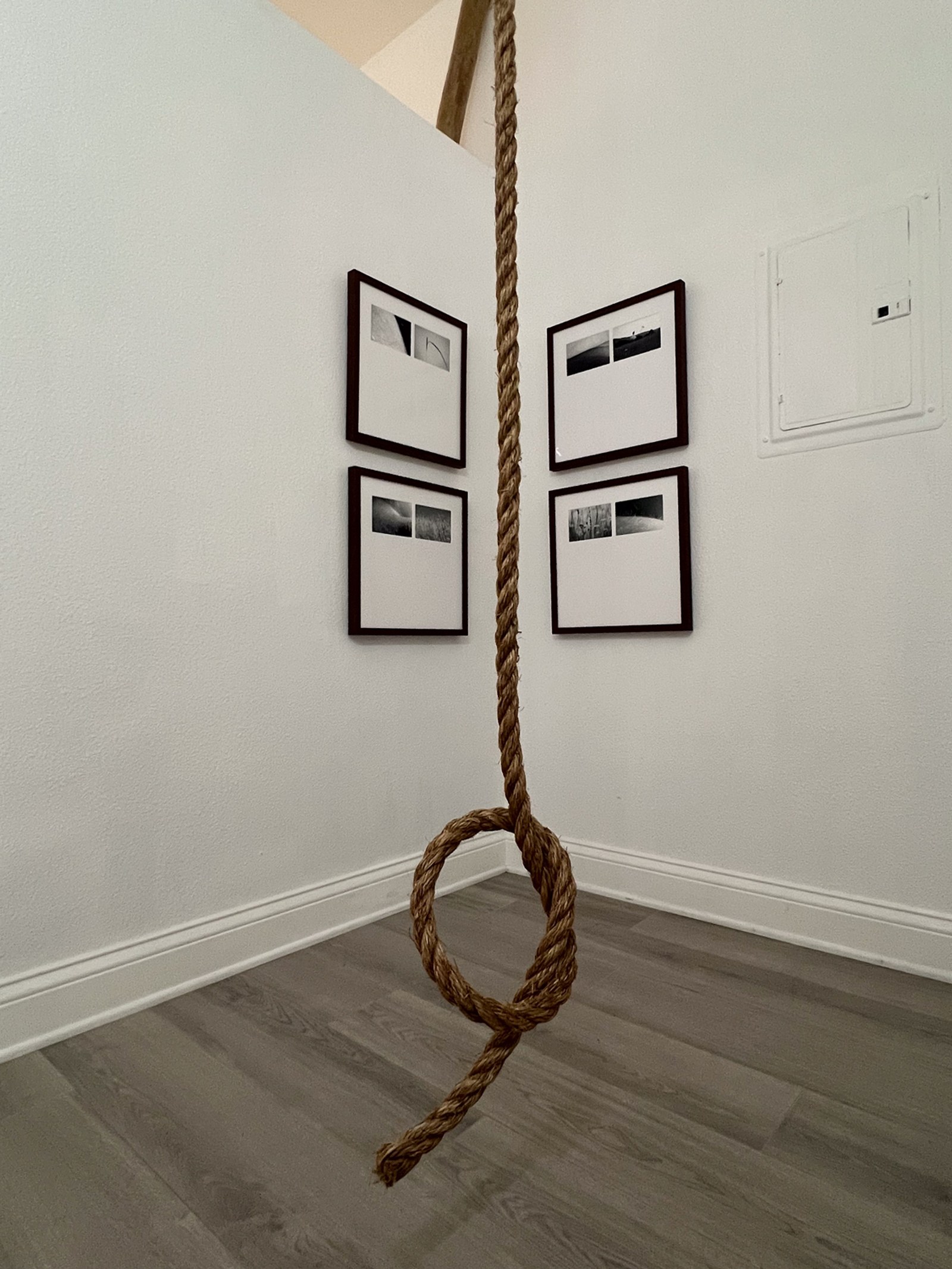
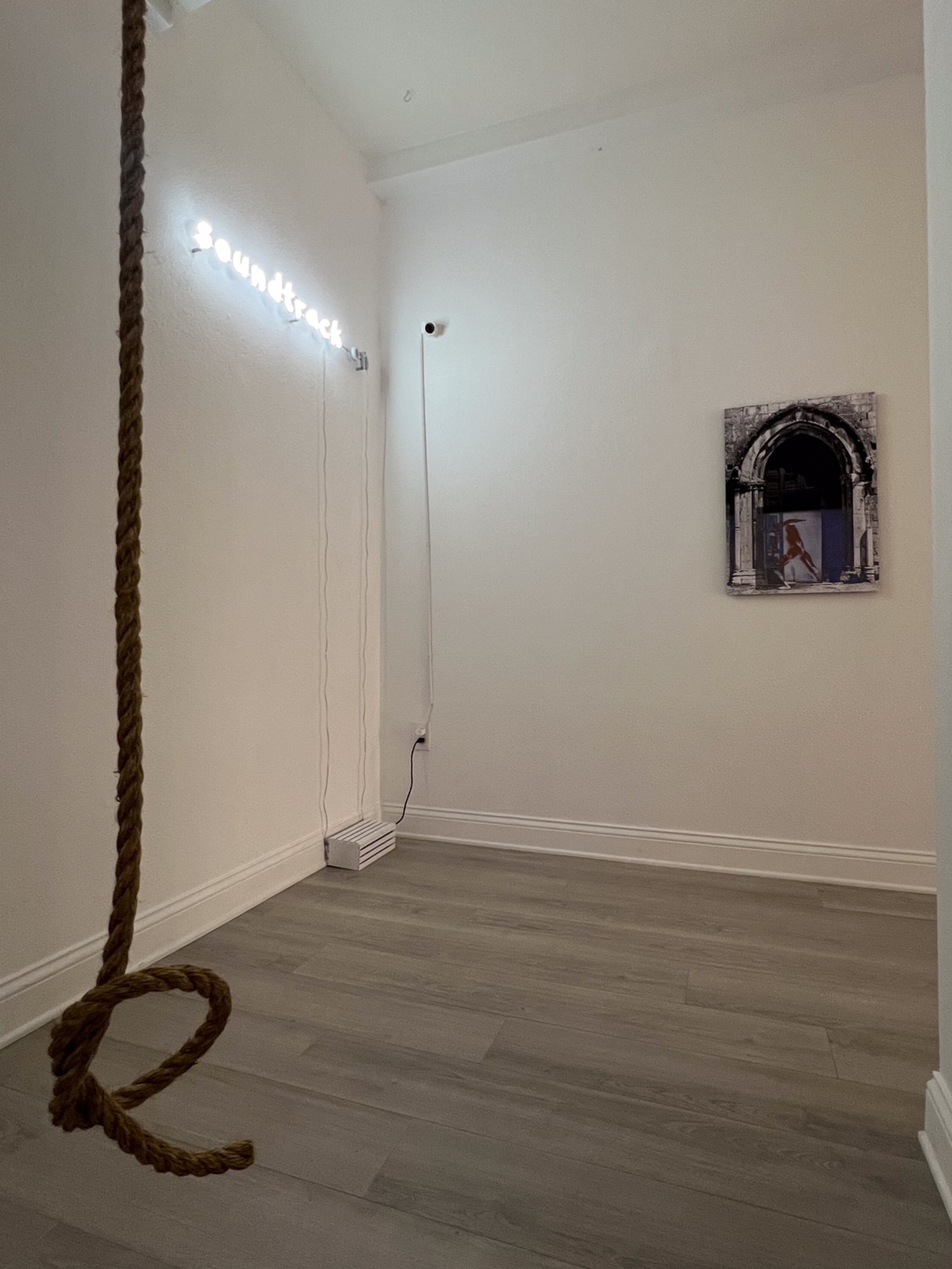
writings is C Fodoreanu's first solo exhibition at LOS/NR — a body of paintings shown alongside photographs, single-channel video, and a site-specific installation composed of water, wood, stainless steel, acrylic glass, neon, and abaca fibers. The paintings depict religious motifs and stories drawn from Fodoreanu's upbringing in the village of Nicula, Transylvania, the cradle of the Romanian folk tradition of popular religious painting on glass. His maternal great-grandfather, Gheorghe Feur, was the last known painter in that tradition of ‘writing’ icons. The title of the show takes its name from the old belief that one cannot paint the word of God, only write it again.
In writings, Fodoreanu takes up the ‘clumsiness’ for which the icons of Nicula were so often reproached, and paints in the manner of children rendering the world around them: not the way one sees it, with foreshortenings and perspective, but by an agglomeration of characteristic features structurally necessary to make the surrounding world recognizable. What looks like clumsiness to an eye familiar with academic painting is the essentialization and simplification of forms, the abbreviation peculiar to a rapid execution. The icon painters on glass avoided drawing a straight line with a ruler; the line drawn by free hand contains the heartbeat of the painter, and is closer to life. Avoiding the perfect line is an assumed artistic choice to express the living soul.
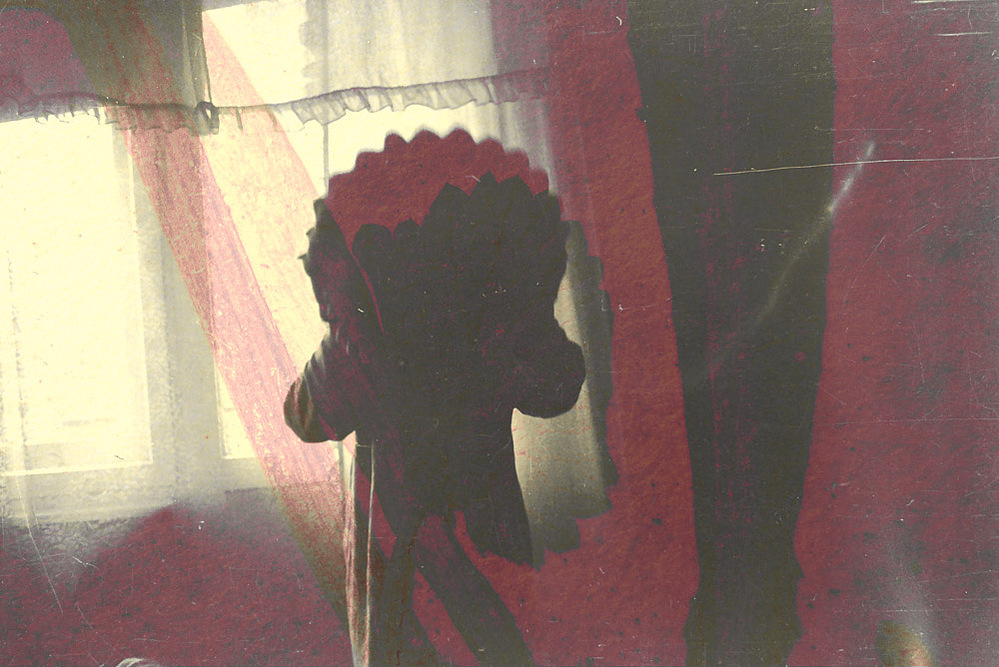
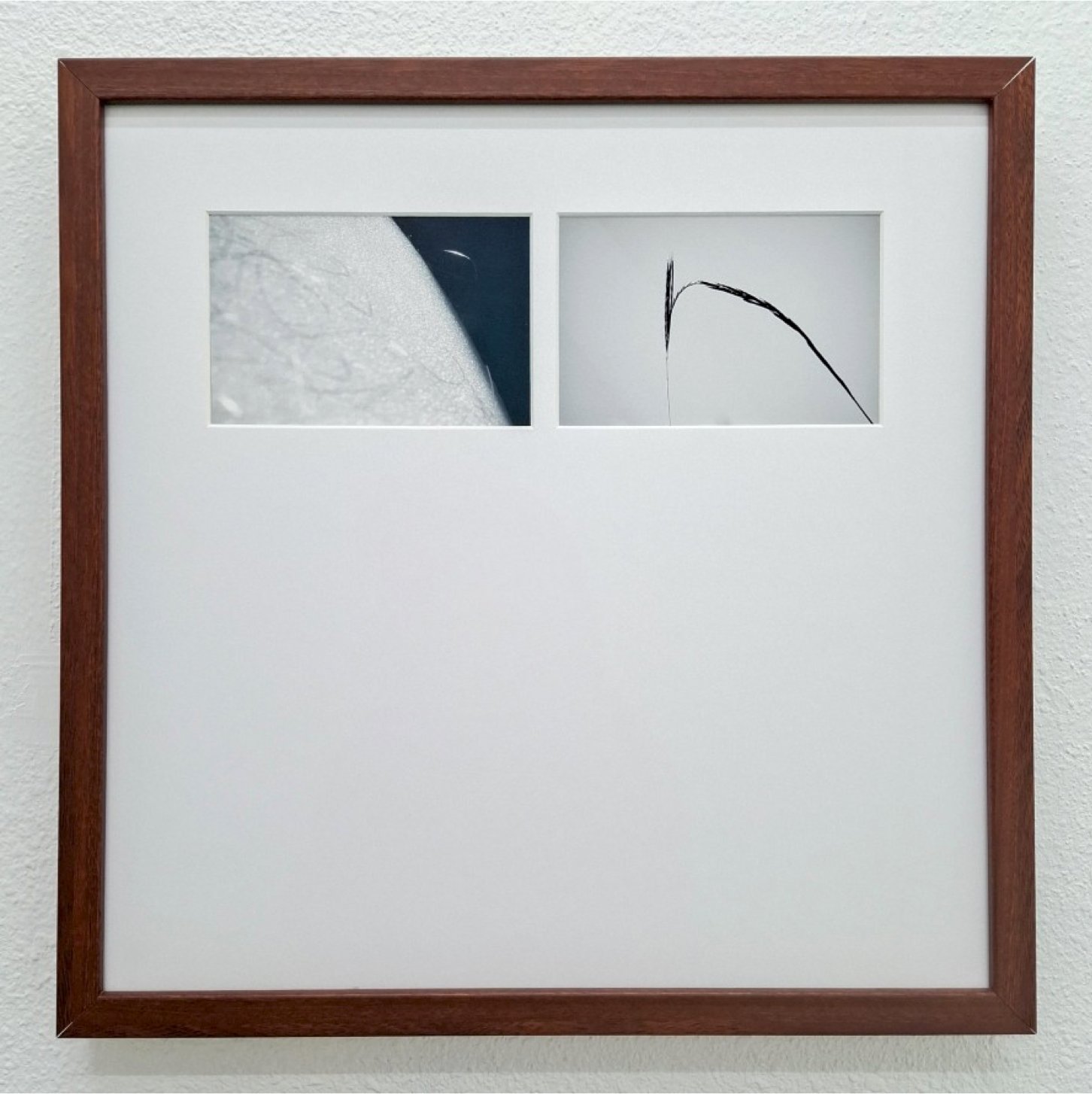
Fodoreanu places these paintings in conversation with works in other mediums — photographs, video, and the installation — to set his perspective as an adult and physician of today against the old imagery that flooded his childhood naïve to its meanings, adding a subtle disruptive queerness that questions the familiarity of these inherited stories. The exhibition has been the subject of essays by Andrew Berardini, Shana Nys Dambrot, and Seth Combs.
C Fodoreanu will paint you queer love letters of a land left behind, drawing us through ancient icons and snapshots of Transylvanian flowers, through faded family photos and himself, until finding a form in essential objects (rope, metal, water, raw wood) like strokes in air that summon a place, the village with its halos and its forest, lost and found.— Andrew Berardini, “Spirited Land and Flowering Bodies: On writings by C Fodoreanu” (2025)
A Postmodern medievalism flourishes among a selection of more tech-forward and elemental moments. The paintings merge religious scenes with contemporary twists, channeling the haute naïve style of the glass icon paintings for which his village (and his great-grandfather) is known… Like Walt Whitman wrote in Song of Myself, the art — as the man — contains contradictions and multitudes aplenty.— Shana Nys Dambrot, “C Fodoreanu's writings tells more than one story” (2025)
His new series of mixed-media works, aptly and simply dubbed, writings, manages to be both an unexpected and logical leap forward for the artist… Both tributary and archetypical, it's as if the viewer is seeing these types of visual venerations for the first time; uncanny, otherworldly, sublime.— Seth Combs, “C Fodoreanu: The writings on the Wall” (2025)
In Nicula, Transylvania, every middle of August a pilgrimage takes place at the oldest monastery around. Almost a quarter of a million people walk from all parts of the country, rain or shine. People make this trip at least once in their lifetime, at times barefoot, at times singing and holding up godly flags, reaching towards a painted icon on glass that once teared up and healed people with its tears. In front of my family house on the main road towards the monastery, we placed faces painted on glass icons resembling religious saints as taught by my great-grandfather. Among these icons, some were mine, placed on the crude grass. They showed faces on connected arms and legs together forming a body, saintly bodies. They were free to take. Every year, growing up, I had to make more and more.
Here I re-create those subliminal images into large works. The title for this project is “writings,” in line with the old belief that one cannot paint the word of God, only write it again.